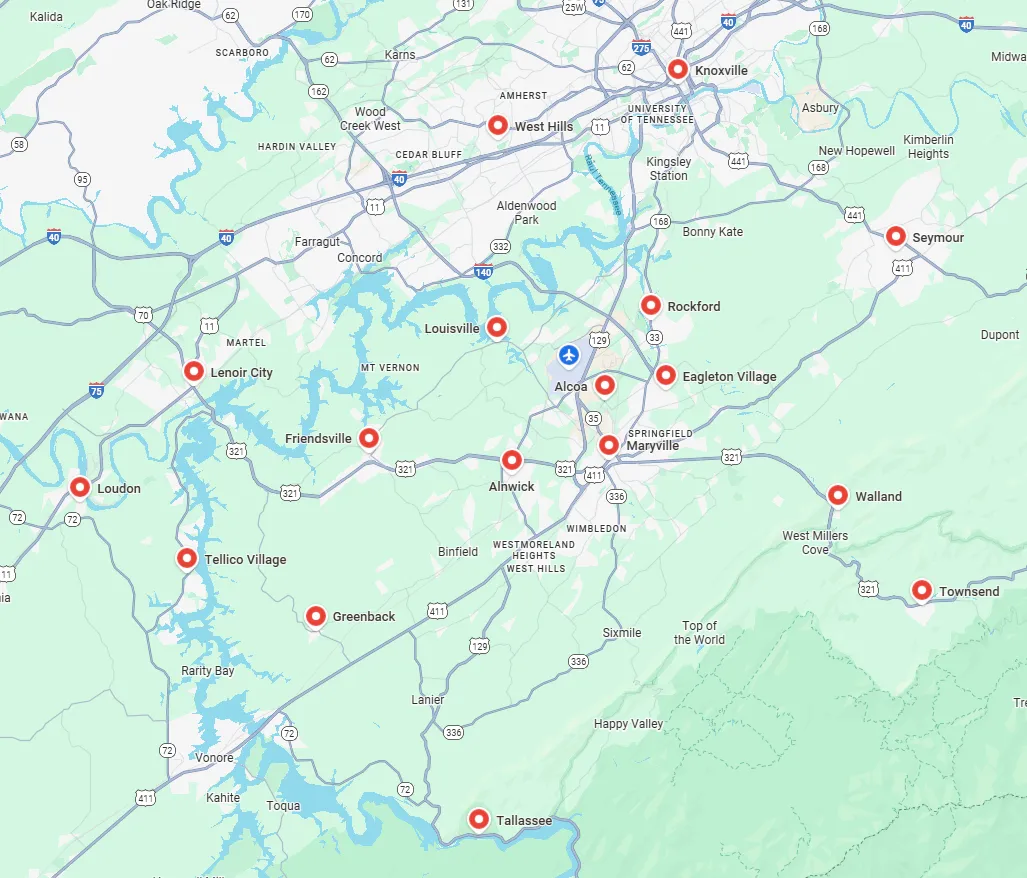


Heat Pump Tune-Up in Walland, TN
In Walland, TN, maintaining a comfortable home with reliable heating and cooling is all about being proactive. A professional heat pump Tune-Up isn't just a good idea; it's your best defense against unexpected breakdowns on the coldest nights, keeps your energy bills in check through humid summers, and significantly extends your system's life. At Everest Air Heating and Cooling, we provide comprehensive heat pump Tune-Ups that go far beyond a simple checklist. Our team takes a diagnostic and methodical approach, meticulously tailoring our service to the specific challenges Walland homes face – from persistent pollen and mountain humidity to unpredictable seasonal temperature swings. Trust Everest Air Heating and Cooling to keep your system performing its best, year after year.
.avif)
Why a Heat Pump Tune-Up Matters in Walland, TN
Walland sits close to the foothills of the Great Smoky Mountains. That environment brings high seasonal humidity, heavy spring pollen, and leaves and debris that can clog outdoor units. Many homes in Blount County also have older duct systems or crawlspaces where moisture and wildlife can introduce problems. Regular Tune-Ups:
- Reduce the risk of midseason failure when you need heat or cooling the most.
- Restore or maintain energy efficiency so your heat pump uses less electricity.
- Catch small issues early before they become costly repairs.
- Verify safety systems and thermostat accuracy to protect home comfort and equipment.
Everest Air Heating and Cooling builds Tune-Ups around these outcomes. We inspect, clean, adjust, and test each heat pump component so the system runs safely and efficiently in Walland conditions.
What a Heat Pump Tune-Up Includes: Step-by-Step Tasks
During a standard heat pump Tune-Up we perform a series of tasks designed to restore optimal performance and identify hidden issues. Each step is explained to homeowners in plain language and recorded for future visits.
- Visual Inspection and System History
- Inspect all accessible components for wear, corrosion, oil stains, and rodent damage.
- Review past service records and runtime history to look for recurring symptoms.
- Filter Inspection and Replacement
- Check filter type and condition. Replace disposable filters or recommend washable filter cleaning.
- Explain proper filter sizes and frequencies for Walland air quality conditions.
- Indoor and Outdoor Coil Cleaning
- Clean the outdoor coil of leaves, pollen, and dirt to restore heat transfer.
- Clean indoor evaporator coil when accessible to prevent icing and low efficiency.
- Remove surface grime and straighten fin damage where needed.
- Condensate Drain and Pan Cleaning
- Clear drain lines and flush the condensate pan to prevent overflow and microbial growth.
- Verify proper condensate removal to avoid water damage in crawlspaces and basements.
- Refrigerant Level and Pressure Checks
- Measure refrigerant pressure and compare to manufacturer specifications.
- Identify low charge or overcharge conditions that reduce efficiency or damage the compressor.
- Note: leak detection and repair are handled as follow-up if low charge is found.
- Electrical Inspection and Tightening
- Inspect and tighten all electrical connections at the outdoor and indoor units.
- Test contactors, relays, capacitors, and transformer function and values.
- Measure compressor and fan motor amperage to detect failing motors or excessive load.
- Compressor and Reversing Valve Test
- Check compressor starting and running parameters.
- Test the reversing valve operation so the heat pump can switch correctly between heating and cooling modes.
- Verify proper defrost cycle behavior during winter conditions.
- Thermostat and Controls Verification
- Calibrate the thermostat and confirm setpoint accuracy.
- Inspect wiring and program settings for proper staging and setback behavior.
- Confirm communication between thermostat and outdoor unit.
- System Calibration and Airflow Testing
- Measure and adjust airflow across the indoor coil for balanced performance.
- Check duct static pressure if accessible, and recommend duct sealing or adjustments when needed.
- Balance fan speeds and blower settings for efficient heat exchange.
- Safety and Operational Testing
- Verify safety switches and limits such as high-pressure cutouts and low-pressure protections.
- Run the system through heating and cooling cycles to observe performance under load.
- Provide a documented performance summary with measured values and technician notes.
Each Tune-Up is completed with a written summary of findings and recommended next steps so Walland homeowners know exactly what was checked and why.
Detailed Diagnostic Process: What We Measure and Why
A Tune-Up at Everest Air Heating and Cooling is more than cleaning. Technicians use diagnostic instruments to quantify performance. Typical measurements and checks include:
- Suction and discharge pressures to assess refrigerant health.
- Compressor and fan motor amps to detect electrical or mechanical strain.
- Superheat and subcooling values when applicable to identify charge or flow issues.
- Temperature split across the coil to indicate airflow problems or dirty coils.
- Voltage readings at motors and controls to find loose or failing electrical components.
These diagnostics let us pinpoint root causes rather than guess at symptoms. In Walland homes where humidity and pollen can obscure symptoms, accurate measurements deliver correct solutions and prevent unnecessary part replacements.
Expected Duration and What to Expect During the Visit
A standard heat pump Tune-Up typically takes between 60 and 120 minutes depending on system type and condition:
- Single split systems: about 60 to 90 minutes.
- Ducted systems with accessible equipment: 75 to 120 minutes.
- Ductless Mini Split systems: 60 to 90 minutes per head depending on access.
- Older or heavily neglected units may require more time for cleaning and troubleshooting.
During the visit, Everest Air Heating and Cooling technicians will:
- Work in a methodical order, starting with safety checks and filter replacement.
- Explain visible issues in plain language and document any out-of-spec readings.
- Leave a clear summary of what was serviced and any recommended repairs or monitoring tips.
- If additional repairs are needed, provide information about the cause and options without high-pressure sales tactics.
Be prepared for a technician to need access to the outdoor unit, indoor air handler, and thermostat. Homeowners can stay present to ask questions, or technicians can leave a detailed service report after completion.
Seasonal Timing Recommendations for Walland
Heat pump Tune-Ups are best scheduled in advance of heavy-use seasons. For Walland residents:
- Fall Tune-Up: Recommended in September or October. Prepares the system for consistent winter heating, verifies defrost cycle operation, and addresses low refrigerant or electrical wear before cold weather.
- Spring Tune-Up: Recommended in March or April. Removes pollen and spring debris, checks system readiness for summer cooling, and restores efficiency before high utility loads begin.
- Midseason Check: For homes with older systems or high usage, a midseason inspection can catch developing issues early.
Because Walland experiences heavy spring pollen and large temperature swings in shoulder seasons, scheduling a fall and spring Tune-Up is a smart practice to prevent performance loss and emergency calls.
How Tune-Ups Improve Efficiency and Reduce Breakdown Risk
Regular heat pump Tune-Ups translate into measurable benefits:
- Improved Efficiency: Restored airflow, clean coils, and correct refrigerant charge can improve system efficiency by 5 to 15 percent compared to an unmaintained unit. That means lower electric bills and more consistent comfort.
- Reduced Breakdown Risk: Tightening electrical connections, checking capacitors and contactors, and verifying refrigerant levels catch failure points before they become emergency repairs.
- Extended Equipment Life: Routine maintenance reduces wear on the compressor and motors, often extending system life by several years.
- Better Indoor Comfort: Calibrated thermostats, sealed drains, and balanced airflow improve comfort consistency throughout the home.
- Safer Operation: Verifying safety controls and electrical integrity reduces potential hazards like overheating or short circuits.
In Walland, where seasonal pollen and humidity can accelerate coil fouling and corrosion, these Tune-Up benefits are especially valuable.
Common Heat Pump Problems in Walland Homes
Walland homes present some recurring issues that a proper Tune-Up will address or reveal:
- Pollen and Debris Buildup: Spring pollen can coat outdoor coils, reducing heat transfer and forcing longer run times.
- Blocked Outdoor Units: Leaves, brush, and lawn debris can restrict airflow, particularly in properties with wooded yards.
- Frequent Short Cycling: Could be caused by dirty coils, improper charging, or failing controls.
- Defrost Failure in Winter: If the reversing valve, defrost thermostat, or control board malfunctions, ice can accumulate on the outdoor coil.
- Duct Leaks and Poor Insulation: Older homes often have ductwork that leaks in crawlspaces or attics, diminishing system capacity.
- Corrosion and Rodent Damage: Humid conditions and wildlife can cause physical damage to wiring or metal components over time.
A Tune-Up identifies these conditions and provides clear options to correct them.
When a Tune-Up Turns into a Repair or Replacement Decision
Most Tune-Ups are preventive and corrective in scope. However, certain findings indicate repairs or replacement may be required:
- Refrigerant Leak: A low charge that stems from a leak requires leak detection and repair before recharging.
- Compressor Failure or Excessive Amp Draw: Often costly to repair and may shift the balance toward replacement depending on system age.
- Repeated Electrical Component Failure: If capacitors or contactors fail repeatedly, further electrical diagnosis or system upgrade may be needed.
- Age and Efficiency: Heat pumps older than 10 to 15 years with failing components and low efficiency may be better served by replacement, especially when refrigerant of older type is involved.
- Duct System Failure: Significant duct leaks or insulation problems may require separate duct repair or replacement to realize full efficiency gains from a new heat pump.
Everest Air Heating and Cooling provides objective information about repair versus replacement, including estimated performance improvements and long-term cost implications, without pressure.
Ductless and Mini Split Specific Considerations
Ductless Mini Split systems are common in additions, cabins, and homes where zoning is important. Tune-Ups for Mini Splits include the same core tasks with emphasis on:
- Indoor head cleaning and drainage checks.
- Outdoor unit coil cleaning and fan motor inspection.
- Refrigerant and connection integrity for multiple indoor heads.
- Controller verification and remote sensor calibration.
Because Mini Splits are often installed in visible living areas, technicians also take care to protect interiors and document aesthetic issues or mounting problems.
Maintenance Tips Between Tune-Ups
Homeowners can do several simple things to keep heat pumps running well between professional visits:
- Check and replace disposable filters monthly during heavy use. A clean filter supports airflow and protects coils.
- Keep at least 2 feet of clearance around the outdoor unit. Trim bushes and remove leaves regularly.
- Monitor thermostat behavior. If you see large swings or unresponsive control, note the time and conditions to report during your next Tune-Up.
- Keep gutters and downspouts directed away from outdoor equipment to reduce splash and moisture exposure.
- For homes with crawlspaces, look for signs of moisture or rodent activity and address airflow or pest control issues.
- Note any unusual sounds, higher energy bills, or inconsistent comfort and record when the issue started.
Simple actions reduce strain on the heat pump and make Tune-Ups more effective.
What Everest Air Heating and Cooling Provides During a Tune-Up
Everest Air Heating and Cooling brings hands-on experience and clear communication to every Tune-Up.
- Family-owned perspective that emphasizes fairness and transparency.
- Technicians trained to diagnose, document, and explain findings without jargon.
- Detailed reports that include measured values, observed issues, and recommended next steps.
- Alignment with the Y.E.T.I Comfort Plan for customers who prefer scheduled seasonal checkups and priority service options.
Our goal is to give Walland homeowners confidence in their indoor comfort systems through consistent, high-quality maintenance.
Signs Your Heat Pump Needs a Tune-Up Now
If you notice any of the following, a professional Tune-Up or inspection is recommended:
- System runs more frequently than usual or seems to run constantly.
- Rooms are not reaching set temperatures or comfort is inconsistent.
- Outdoor unit is noisy or shows visible buildup on the coil.
- Higher than normal utility bills without a change in usage.
- Thermostat is unresponsive or cycling rapidly.
- Water pooling around the indoor air handler or frequent condensate overflow.
Catching these signs early reduces repair costs and prevents system failure at inconvenient times.
Frequently Asked Questions
Q: How often should I schedule a heat pump Tune-Up?
A: For most Walland homes, twice yearly Tune-Ups are recommended: one in the fall before heating season and one in the spring before cooling season. Homes with high usage, older equipment, or heavy pollen exposure may benefit from additional midseason checks.
Q: How long will the Tune-Up take?
A: Typical Tune-Ups take 60 to 120 minutes depending on system complexity and condition. Ductless systems and standard split systems usually fall on the shorter end, while older ducted systems or units needing extra cleaning will take longer.
Q: Will a Tune-Up fix a refrigerant leak?
A: A basic Tune-Up will identify signs of a low refrigerant charge and include pressure measurements. Repairing a refrigerant leak requires leak detection and repair, which is handled as a follow-up repair since it typically needs additional parts and time.
Q: Can Tune-Ups lower my electric bill?
A: Yes. A properly executed Tune-Up restores airflow, corrects refrigerant levels, and ensures efficient operation. That can reduce energy consumption by an estimated 5 to 15 percent compared to an unmaintained unit, depending on the starting condition.
Q: Are Tune-Ups different for ductless Mini Splits?
A: The core checks are similar, but technicians focus on indoor head cleaning, proper drainage, and verifying refrigerant balance across multiple indoor units. Mini Splits often have multiple indoor heads that must be inspected individually.
Q: What if my heat pump is older than 15 years?
A: Older units often need more frequent maintenance and may have parts that are harder to source. During a Tune-Up we will document performance and help you weigh repair versus replacement options based on efficiency, reliability, and long-term cost.
Q: Do Tune-Ups cover warranty requirements?
A: Many manufacturer warranties require regular maintenance. A professional Tune-Up documented by Everest Air Heating and Cooling can satisfy maintenance clauses in warranties. Check your warranty terms for specific intervals.
Q: Will you clean inside my ducts during a Tune-Up?
A: Standard Tune-Ups include airflow and duct access checks but do not include full duct cleaning. If we observe significant duct contamination, we document findings and recommend a separate duct cleaning or repair plan.
Q: How does Walland climate affect my heat pump?
A: Walland sees humid summers and heavy spring pollen. High humidity can promote coil fouling and condensate issues, while pollen and vegetation can reduce outdoor coil performance. Seasonal Tune-Ups timed for spring and fall mitigate these local impacts.
hear what our satisfied clients have to say

David P.
Service areas