

Heat Pump Service in Tallassee, TN
Keeping your Tallassee, TN home comfortable all year long truly hinges on a well-maintained heat pump. Between the constant summer humidity, the unpredictable heat-and-humidity shifts in spring and fall, and those unexpected winter cold snaps, your heating and cooling system faces unique challenges. That's where Everest Air Heating and Cooling comes in. We offer comprehensive heat pump service in Tallassee, TN, covering everything from thorough diagnostics and routine maintenance to expert repairs, full replacements, and even enrollment in our convenient service agreements like the Y.E.T.I Comfort Plan. We're here to walk you through what to expect from professional heat pump service, tackle common issues Tallassee homeowners encounter, show you how we pinpoint and resolve problems, and explain how consistent care safeguards your comfort, shrinks utility bills, and extends the life of your equipment.
Why timely heat pump service matters in Tallassee, TN
Heat pumps are highly efficient but also sensitive to operating conditions common in East Tennessee. High outdoor humidity increases run time and strain during summer. In winter, frost and ice can build on outdoor coils, triggering defrost cycles that must work correctly to preserve heat output. Local storms can cause power interruptions and surge events that damage controls or compressors. Left unaddressed, minor issues like dirty coils, low refrigerant, or a failing reversing valve become expensive breakdowns during the coldest or hottest days.
Everest Air Heating and Cooling understands the local climate effects and service needs for Tallassee homes. A proactive approach that combines accurate diagnostics, seasonal Tune-Ups, and timely repairs keeps your system running efficiently and reliably.
Common heat pump issues in Tallassee, TN homes
- Reduced heating or cooling capacity during extreme humidity or cold
- Short cycling and frequent on-off cycles
- Frozen outdoor unit or persistent defrost cycle problems
- Unexpected drops in efficiency and rising energy bills
- Noisy operation from failing motors, fans, or compressors
- Thermostat or control board malfunctions causing inconsistent comfort
- Leaking refrigerant or low refrigerant pressure
- Drainage and condensation problems leading to indoor moisture or water damage
- Outdoor unit corrosion or debris buildup after storms or pollen season
Each of these symptoms has a range of possible causes. A precise diagnostic process narrows the real problem, so repairs address root causes rather than temporary fixes.
Heat pump services we provide in Tallassee
Everest Air Heating and Cooling offers a full suite of services tailored to heat pump systems commonly found in area homes.
- Diagnostics: Comprehensive evaluation of system performance, electrical components, refrigerant charge, airflow, and controls.
- Routine maintenance: Scheduled seasonal Tune-Ups to clean coils, check refrigerant, lubricate moving parts, test safety controls, and verify thermostat calibration.
- Repairs: Professional repair of compressors, reversing valves, fan motors, contactors, capacitors, control boards, and refrigerant leak repair and recovery.
- Replacements and upgrades: System sizing, recommending high-efficiency replacements, and installing new heat pumps or Mini Split systems where appropriate.
- Service agreements and comfort plans: Enrollment options such as the Y.E.T.I Comfort Plan with fall and spring checkups, priority scheduling, and service call discounts.
- Brand compatibility: Service and repairs for major makes and models, including Lennox, Goodman, Rheem, Ruud, York, Trane, and many OEMs and aftermarket components.
- Safety and compliance: Proper refrigerant handling, adherence to industry safety standards, and documentation of service.
How our diagnostic process works
A methodical diagnostic process reduces downtime and prevents unnecessary replacements. Typical steps include:
- Initial system interview and symptom review: We document what you experienced, when symptoms occur, and any recent changes to the home environment.
- Visual inspection: Check outdoor and indoor units for obvious damage, debris, corrosion, and airflow obstructions.
- Electrical evaluation: Test voltage and current to compressors, fan motors, and control circuits, and inspect wiring and connections for wear or damage.
- Refrigerant and pressure checks: Measure refrigerant pressures and superheat/subcooling to confirm proper charge and identify leaks.
- Airflow and duct assessment: Measure airflow at vents, inspect filters and return grills, and evaluate duct condition where accessible.
- Control and thermostat testing: Verify thermostat calibration, sensor operation, and control board responses, including defrost cycle operation.
- Performance verification: Compare compressor and system run parameters with manufacturer specifications and seasonal expectations.
This structured approach allows Everest Air Heating and Cooling to recommend either a targeted repair, a performance-focused maintenance visit, or a replacement when it is the most cost effective and reliable choice.
Routine maintenance: what it includes and why it helps
Preventive maintenance is the single most important service to preserve performance and avoid emergency breakdowns. Typical maintenance visits include:
- Cleaning outdoor coils and clearing debris from around the unit to improve heat transfer.
- Inspecting and replacing or cleaning air filters to maintain proper airflow.
- Checking refrigerant levels and correcting leaks when found.
- Testing and tightening electrical connections and testing capacitors, contactors, and motors.
- Lubricating moving parts where applicable.
- Verifying defrost controls and reversing valve operation to ensure reliable heating in cold weather.
- Inspecting condensate drains and pans for clogs or leaks.
- Testing system safety controls and thermostat accuracy.
- Documenting findings and recommended actions in a service report.
Regular maintenance reduces energy consumption, prevents moisture-related issues, maintains manufacturer warranty conditions, and often avoids major repairs. For Tallassee homeowners facing high annual cooling loads, fall and spring Tune-Ups matched to the seasonal cycle maximize efficiency when it matters most.
Repairs we commonly perform
When diagnostics reveal a repair need, common fixes include:
- Refrigerant leak repair and recharge: Locating leaks, repairing lines or components, and restoring the correct charge.
- Compressor replacement or capacitor testing: Addressing failing compressors or replacing start/run capacitors that cause hard starts.
- Fan and motor repairs: Replacing worn fan motors, bearings, or belts to stop noise and restore proper airflow.
- Reversing valve repairs: Fixing reversing valve problems that prevent the system from switching between heat and cool modes.
- Control board and thermostat replacement: Repairing or replacing failed controls that cause erratic operation or system lockouts.
- Contactor and relay replacement: Fixing electrical switching components that fail due to wear or power surges.
- Defrost system repairs: Restoring frost sensing and defrost cycles so outdoor coils defrost properly during cold spells.
- Duct sealing and airflow improvement: When poor airflow is the root cause, addressing duct leaks, insulation issues, or return path restrictions.
Each repair follows a safety-first approach with manufacturer-recommended replacement parts and industry-standard procedures.
When to repair versus when to replace
Deciding between repair and replacement requires weighing system age, repair history, efficiency, refrigerant type, and long-term cost projections.
- Repair is often sensible if the unit is relatively new, the repair addresses a single component, and expected remaining life is several years.
- Replace when the system is older than 10 to 15 years, multiple major components are failing, the unit runs on phased-out refrigerant that is expensive to service, or when efficiency gains justify investment in a modern system.
- Consider replacement if repair cost approaches a significant portion of replacement cost or if frequent service calls indicate declining reliability.
Everest Air Heating and Cooling provides objective analysis and lifetime cost comparisons so Tallassee homeowners can make an informed decision that balances upfront cost with energy savings and reliability.
Brand compatibility and system options
We service all major heat pump brands commonly installed in the region. Familiar brands include Lennox, Goodman, Rheem, Ruud, York, Trane, and others. Brand-specific knowledge matters for accurate diagnostics, correct part selection, and maintaining warranty compliance.
Upgrades and replacement options include:
- High-efficiency heat pumps with improved SEER and HSPF ratings to lower annual energy costs.
- Variable-speed compressors and multi-stage systems for better humidity control and comfort.
- Ductless Mini Split heat pumps for zoned comfort in additions, garages, or homes without existing ductwork.
- Smart thermostats and zoning systems to improve control and reduce wasted heating and cooling.
- Cold-climate heat pumps designed to maintain efficiency and heat output during prolonged low temperatures.
We evaluate home size, insulation, duct condition, and family comfort needs before recommending system types or brands.
Installation and replacement process
A careful installation is as important as the equipment itself. Key steps in a professional replacement include:
- Load calculation: Sizing the system based on actual heating and cooling loads for the house, not just square footage.
- Duct evaluation and improvements: Address airflow restrictions, duct leaks, and insulation deficiencies to ensure the new system performs as expected.
- Proper refrigerant charge and airflow balancing: Set the system to manufacturer specifications to achieve rated efficiency and capacity.
- Correct electrical and safety connections: Install to code and verify protection devices.
- Commissioning and owner orientation: Verify performance, explain controls and maintenance needs, and document system settings.
Proper installation maximizes equipment life and efficiency and prevents premature failures that can result from undersized lines, poor airflow, or incorrect refrigerant charge.
The Y.E.T.I Comfort Plan: Peace of mind for Tallassee homes
Everest Air Heating and Cooling offers the Y.E.T.I Comfort Plan, designed to keep heat pumps running reliably with benefits tailored to local needs:
- Fall and spring checkups: Seasonal inspections align with Tallassee climate patterns to prepare systems for the cooling and heating seasons.
- Priority scheduling: Members receive priority scheduling, which is especially important during heat waves and winter cold snaps.
- Service call discounts: A consistent value program that reduces the cost burden of unexpected repairs.
- Preventive maintenance: Routine Tune-Ups that reduce breakdowns, improve efficiency, and help maintain warranty coverage.
- Detailed service documentation: Clear records of maintenance and repairs support future decision making.
Service agreements like Y.E.T.I are particularly valuable in Tallassee where seasonal extremes can coincide with peak demand and service bottlenecks. Regular maintenance prevents emergency situations and stretches the useful life of your system.
Homeowner tips to keep your heat pump healthy between service visits
Small actions by homeowners can prevent many common issues and improve efficiency.
- Change or clean filters monthly during heavy use seasons to maintain airflow.
- Keep the outdoor unit clear of vegetation, leaves, and debris. Maintain at least two feet of clearance around the unit.
- Do not store items on or near the outdoor unit; avoid piling mulch against the cabinet.
- Ensure return vents are not blocked by furniture or curtains.
- Monitor outdoor unit operation for unusual noises, vibrations, or ice buildup, and note when issues start and under what conditions.
- Keep drainage paths clear to prevent water backing into the indoor unit or ductwork.
- Set the thermostat to maintain consistent temperatures rather than frequent large swings.
These simple steps reduce wear and help identify problems early, making service visits faster and more effective.
Energy efficiency, refrigerant considerations, and system controls
Understanding a few technical aspects helps homeowners make smarter long-term choices.
- Efficiency ratings: SEER (Seasonal Energy Efficiency Ratio) and HSPF (Heating Seasonal Performance Factor) indicate system efficiency for cooling and heating. Higher numbers mean lower operating costs.
- Refrigerant: Older systems may use R-22 or other phased-out refrigerants. Newer systems use R-410A or newer alternatives. Repairing R-22 systems can become costly as supplies dwindle, which factors into replacement decisions.
- Variable-speed and inverter technology: These designs modulate capacity to meet load more precisely, reducing short cycling and improving comfort.
- Smart thermostats and zoning: Proper controls can significantly reduce energy use and allow for individualized comfort settings for different areas.
Everest Air Heating and Cooling can assess efficiency opportunities and recommend upgrades that fit your home and budget considerations.
What to expect during a service visit
A professional service visit follows a predictable structure focused on thoroughness and transparency:
- Arrival and job briefing: The technician reviews the problem and symptoms with the homeowner.
- Inspection and testing: Diagnostic checks are performed using calibrated tools and manufacturer guidelines.
- Findings and options: Clear explanation of issues found with repair or replacement options, costs are not discussed here, only technical recommendations and expected outcomes.
- Work performed: Repairs, cleaning, adjustments, or maintenance tasks are completed with quality parts and workmanship.
- Final testing and documentation: System performance is verified and a written service report summarizes work done and future recommendations.
Technicians work to minimize disruption while prioritizing safety, reliability, and long-term value.
Frequently Asked Questions
Q: How often should I have my heat pump checked in Tallassee, TN?
A: Have your heat pump inspected and tuned at least twice a year, ideally in spring and fall, to prepare for heavy cooling and heating seasons and to prevent climate-related failures.
Q: My outdoor unit is icing up in winter. Is that normal?
A: Some frosting is normal during cold humid weather, but persistent ice or continuous defrost cycles indicate a problem with defrost controls, refrigerant charge, or airflow that needs diagnosis.
Q: Can a heat pump provide reliable heat during a Tallassee cold snap?
A: Modern heat pumps perform well in moderate cold. For prolonged subfreezing temperatures, auxiliary heat or cold-climate heat pump models that maintain efficiency at lower temperatures may be recommended.
Q: How do I know if my heat pump needs refrigerant or just a filter change?
A: Low airflow from dirty filters reduces comfort and can mimic refrigerant issues. A professional diagnostic will measure pressures and airflow to determine the real cause and prescribe the correct repair.
Q: Will regular maintenance save me money?
A: Yes. Regular maintenance improves efficiency, reduces energy bills, reduces the chance of costly breakdowns, and helps ensure warranty compliance.
Q: Do you service all brands and models?
A: Everest Air Heating and Cooling services a wide range of heat pump brands and models and can recommend compatible replacement options when needed.
Q: What does priority scheduling mean under the Y.E.T.I Comfort Plan?
A: Priority scheduling places comfort plan members ahead in the service queue during peak demand periods so emergencies and seasonal surges are handled faster than non-members.
Q: Is it worth upgrading an older heat pump to a high-efficiency model?
A: Upgrading can be worth it when the existing system is over a decade old, failing frequently, or operating with low efficiency; savings on utility bills and improved comfort often justify the investment.
Q: How do I schedule routine maintenance?
A: Scheduling is available through the company website booking tool or service request form, and customers enrolled in service agreements are assigned seasonal checkup windows and priority appointment options.
Q: What should I do if my heat pump stops working on a very cold or hot day?
A: Note any unusual noises, display error codes, and whether auxiliary heat is active. If the issue appears electrical or involves refrigerant, arrange a professional diagnostic to avoid causing further damage.
Service for heat pumps in Tallassee, TN requires both technical skill and local knowledge. Everest Air Heating and Cooling provides experienced diagnostics, thorough maintenance, reliable repairs, and informed replacement guidance tailored to the climate and needs of Tallassee homes. Regular service and participation in plans like the Y.E.T.I Comfort Plan reduce the risk of uncomfortable failures, deliver better seasonal performance, and protect your investment for years to come.
hear what our satisfied clients have to say

David P.
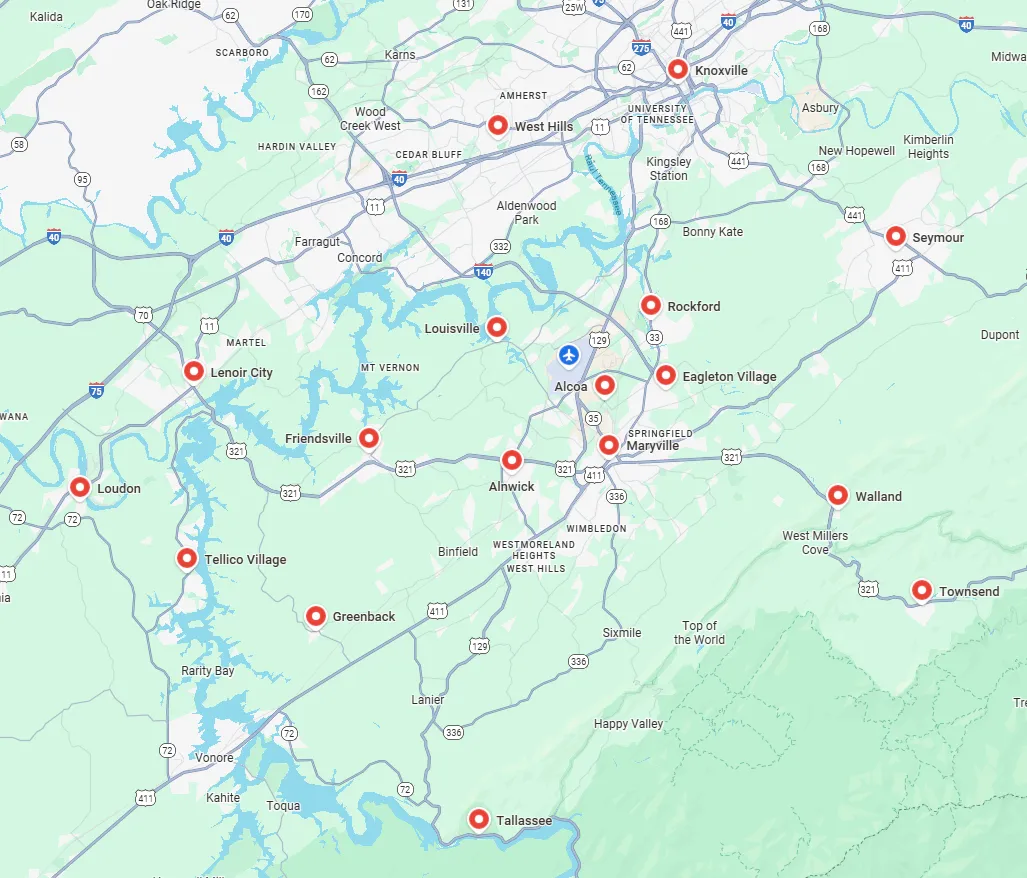
Service areas