

Heat Pump Installation in Loudon, TN
When it comes to comfort, monthly energy bills, and how long your system lasts, choosing the right heat pump and getting it installed correctly makes all the difference. Especially here in Loudon, TN, with our humid summers and those mild but sometimes chilly winters, a properly specified and professionally installed heat pump truly shines. It gives you efficient heating, reliable cooling, and much better humidity control. Everest Air Heating and Cooling brings deep local experience to every installation, and we'll guide you every step of the way – from site assessment and equipment selection to efficient installation practices and thorough post-installation testing. That’s how Everest Air Heating and Cooling ensures your system performs exactly as promised.
.avif)
Why a heat pump makes sense for Loudon homes
- Summers in Loudon are hot and humid, so homeowners need strong cooling capacity and effective dehumidification.
- Winters are generally mild but can include cold snaps; modern heat pumps maintain efficiency at lower temperatures and can replace or supplement aging furnaces.
- Transitioning to a heat pump often reduces total annual energy use because a heat pump moves heat rather than generating it.
- Heat pumps provide both heating and cooling in a single system, simplifying equipment needs for year-round comfort.
Everest Air Heating and Cooling installs systems that match Loudon homes and lifestyles, balancing upfront costs with expected energy savings, comfort improvements, and local climate demands.
Common heat pump types and which to choose in Loudon, TN
Understanding system options helps you pick the best fit for your house layout, ductwork, and comfort priorities.
- Air-source heat pumps
- Most common option for Loudon homes with existing ductwork.
- Efficient for both heating and cooling in mild-to-moderate climates.
- Available with variable-speed compressors and advanced controls to improve comfort and efficiency.
- Cold-climate air-source heat pumps
- Designed to retain efficiency during colder spells.
- Good choice if your home experiences frequent low temperatures or if you want to minimize backup electric resistance heating.
- Ductless Mini Split systems
- Ideal for homes without ductwork, room additions, or when adding zoning to specific areas.
- Allow for multi-zone control and high efficiency, especially in spaces that are difficult to heat or cool with a central system.
- Geothermal heat pumps
- Highly efficient and long-lasting, but require significant up-front site work and higher initial cost.
- Best for new construction or properties with enough land for ground loops.
Selecting the right type depends on the house, existing infrastructure, budget, and long-term efficiency goals. Everest Air Heating and Cooling evaluates these factors during the assessment phase.
Comprehensive site assessment and load calculations
A professional installation begins with accurate measurement and evaluation of your home. Everest Air Heating and Cooling performs a complete site assessment that includes:
- Manual J load calculation
- Determines the precise heating and cooling capacity your home needs based on square footage, ceiling heights, insulation levels, window types and orientation, air infiltration, and occupancy patterns.
- Prevents oversizing or undersizing, both of which reduce comfort and increase operating costs.
- Duct inspection and Manual D considerations (for homes with ducts)
- Assesses duct condition, leakage, sizing, and static pressure.
- Identifies necessary repairs, sealing, and potential rerouting for balanced airflow.
- Building envelope review
- Evaluates insulation levels, attic ventilation, window performance, and common sources of heat gain or loss.
- Identifies improvements that complement a new heat pump and boost return on investment.
- Site constraints
- Reviews outdoor unit placement for airflow, clearance, noise considerations, and code compliance.
- Checks electrical panel capacity and determines whether upgrades or dedicated circuits are required.
An accurate load calculation tailored to Loudon homes addresses local humidity levels and seasonal temperature swings to ensure reliable performance.
Choosing the right capacity and efficiency features
Heat pump performance is tied to proper sizing and the right efficiency features. Key considerations include:
- Right-sizing
- Units sized to Manual J results avoid short cycling, excessive wear, and uneven comfort.
- Oversized units cool or heat fast but do not remove humidity effectively and may cycle frequently.
- Efficiency ratings
- SEER and HSPF ratings indicate cooling and heating efficiency respectively.
- Higher SEER and HSPF values mean lower operating costs, especially valuable during Loudon’s hot summers.
- Inverter-driven and variable-speed compressors
- Adjust output to actual load, improving comfort, reducing cycles, and lowering energy use.
- Offer smoother temperature control and quieter operation.
- Two-stage compressors and smart thermostats
- Provide better humidity control and optimized operation across variable loads.
- Smart controls allow scheduling and monitoring that can reduce wasted energy.
- Refrigerant and environmental considerations
- Modern systems use refrigerants with lower global warming potential. Proper handling and leak prevention are essential to performance and compliance.
Everest Air Heating and Cooling explains trade-offs between higher-efficiency models and budget constraints, focusing on systems that deliver reliable results for Loudon homeowners.
Pre-installation: removal of old equipment and site prep
A clear, safe installation site sets the stage for a clean and efficient job. Typical pre-installation steps include:
- Safe decommissioning and refrigerant recovery
- Certified technicians recover any remaining refrigerant in accordance with EPA rules.
- Old equipment is properly drained, disconnected, and prepared for removal.
- Disposal and recycling
- Units and components are disposed of or recycled according to local regulations.
- Materials such as copper, steel, and electronics are separated for proper handling.
- Electrical and structural prep
- Confirming that the electrical panel can support the new system and identifying if a subpanel or dedicated breakers are needed.
- Preparing a stable pad or bracket for the outdoor unit and ensuring adequate clearance for airflow and maintenance.
- Permits and inspections
- Determining necessary local permits and coordinating inspections so installations meet Loudon and county codes.
This phase protects your home, the environment, and ensures a code-compliant installation.
Professional installation process: what to expect
A professional installation follows a sequence of detailed steps performed by trained, certified technicians:
- Outdoor unit placement and mounting
- Positioning on a concrete pad or anti-vibration brackets with correct clearances for airflow and service access.
- Leveling and securing to minimize noise and vibration.
- Line-set and refrigerant connections
- Running copper refrigerant lines or pre-insulated line-sets between the outdoor and indoor units.
- Proper flaring and brazing techniques to ensure leak-free joints.
- Refrigerant handling and charging
- Recovery of old refrigerant, evacuation of the system to remove air and moisture, and charging to manufacturer-specified levels.
- Weighing refrigerant and verifying proper superheat and subcool values for optimized performance.
- Electrical connections and safety
- Installing disconnects, properly sized wiring, and grounding/bonding in accordance with local code.
- Coordinating with the electrical panel to ensure safe operation and protecting circuits with appropriate breakers.
- Ductwork, air handler, and indoor unit installation
- Modifying or replacing ductwork where needed, sealing all connections, and insulating ducts to prevent loss of efficiency.
- Installing the indoor air handler in a location that supports airflow, return, and condensate drainage.
- Drainage and condensate handling
- Properly routing condensate lines and installing traps, insulation, and float switches where necessary to prevent water damage.
- Controls and thermostat integration
- Installing thermostats or control systems and programming zones when applicable.
- Integrating smart controls or coordinating with existing home automation systems when requested.
Every step is performed with attention to manufacturer specifications and industry best practices to protect equipment warranties and system longevity.
Importance of refrigerant, vacuuming, and leak testing
Three critical technical steps that determine system reliability:
- Pulling a deep vacuum
- Removes moisture and non-condensable gases that can degrade performance and cause compressor damage.
- Verified using micron gauges to meet manufacturer requirements.
- Proper refrigerant charge
- A precise charge ensures the system runs at design efficiency and prevents compressor stress.
- Modern systems often require charge verification based on temperature and pressure rather than static weight alone.
- Leak testing and sealing
- Systems are pressure tested and checked with electronic leak detectors.
- Any leaks are repaired and re-tested before final commissioning.
These procedures require certified technicians and the right tools to get right.
Ductwork vs ductless: pros, cons, and hybrid strategies
- Ducted systems
- Use existing ducts when in good condition and properly sized.
- Require attention to sealing and insulation in Loudon homes where humidity control is important.
- Ductless systems
- Offer room-by-room control and are excellent for additions, garages, or homes without ducts.
- Eliminates duct losses and provides high efficiency for targeted zones.
- Hybrid approaches
- Combining a central heat pump with ductless heads for hard-to-condition rooms can optimize comfort and cost.
Everest Air Heating and Cooling helps homeowners choose the configuration that makes the most sense for home layout and lifestyle.
Warranty, financing, and incentives explained
Understanding warranty and financing options helps protect your investment and make installation affordable without compromising quality.
- Manufacturer warranties
- Typically cover major components like the compressor and heat exchanger for a specified period.
- Registration of the product and adherence to installation procedures and maintenance schedules often required to maintain warranty coverage.
- Labor warranties
- Cover workmanship and are provided by the installing contractor for a set period after installation.
- Important to confirm the scope and duration with your installer.
- Extended coverage and maintenance plans
- Extended warranties and preventive maintenance contracts protect performance and can be required for some warranty claims.
- Everest Air Heating and Cooling’s Y.E.T.I Comfort Plan highlights scheduled checkups and priority service that help maintain warranty compliance and system efficiency.
- Financing options
- Many homeowners use financing to spread the cost over time, including loans or payment plans handled through lenders or manufacturers.
- Evaluate terms, interest rates, and total cost over the life of the loan to select the most affordable option.
- Rebates and incentives
- Federal and local incentives may be available for energy-efficient heat pumps, and local utilities sometimes offer rebates for qualifying equipment.
- Incentive availability changes over time, so verify current programs for Loudon and surrounding counties when planning a purchase.
Providing clear information about warranties and financing ensures homeowners understand protection and payment choices without surprises.
Post-installation testing, commissioning, and performance verification
A thorough commissioning process confirms the system operates as designed and meets comfort expectations:
- Airflow and distribution testing
- Measure supply and return airflow, adjust fan speeds and dampers, and ensure proper balancing across zones.
- Electrical and safety checks
- Verify voltage and amperage, confirm correct breaker sizing, and ensure safety devices such as float switches and disconnects function.
- Refrigerant performance checks
- Validate correct refrigerant charge with temperature and pressure measurements.
- Confirm defrost cycle operation and proper reversal valve performance.
- Control and thermostat calibration
- Program thermostats, test communication with outdoor units, and verify setpoint accuracy.
- Run tests in both heating and cooling modes
- Demonstrate consistent temperatures, assess humidity control, and verify noise and vibration levels are acceptable.
- Documentation and handover
- Provide system documentation, warranty information, and a clear explanation of care and maintenance expectations.
These verification steps maximize efficiency and reduce the likelihood of callbacks.
Homeowner orientation and what you should expect
After installation, homeowners receive practical orientation so the system delivers consistent comfort:
- How to operate thermostats and schedules for optimal efficiency
- What normal sounds and cycles look like, including occasional defrost cycles in winter
- Filter type and replacement frequency, and where to access filters
- Outdoor unit clearance and basic care, like keeping debris and vegetation away
- Signs of common problems to watch for, such as persistent pressure drops, unusual noises, ice formation, or water leaks
A clear orientation empowers homeowners to maintain system performance and recognize issues early.
Common post-installation issues and simple troubleshooting
Occasional issues can arise after any installation; knowing what they mean helps resolve them quickly:
- Short cycling (system turns on and off frequently)
- Often caused by an oversized unit, incorrect thermostat settings, or airflow restriction.
- Proper commissioning and sizing should prevent this.
- Uneven temperatures
- Can be caused by duct imbalances, incorrect zoning setup, or insufficient insulation.
- Airflow balancing and zoning adjustments usually correct the issue.
- Can be caused by duct imbalances, incorrect zoning setup, or insufficient insulation.
- Excessive humidity
- May result from oversized equipment or improper fan speeds; variable-speed systems generally perform better at dehumidification.
- Frost on outdoor unit in cold weather
- Normal during heating; periodic defrost cycles should clear the coil. Persistent icing indicates refrigerant or airflow problems.
If problems persist, a qualified technician should diagnose and correct them to protect warranty coverage and system life.
Maintenance recommendations for longevity and efficiency
Regular maintenance keeps the system operating at peak performance and preserves warranties:
- Replace or clean filters every 1 to 3 months depending on filter type and indoor air quality
- Schedule fall and spring Tune-Ups to verify operation before peak seasons
- Inspect outdoor unit clearance and keep the area free of debris and vegetation
- Check condensate drains for clogs and ensure proper drainage
- Verify thermostat schedules seasonally to match household occupancy and comfort preferences
Everest Air Heating and Cooling’s Y.E.T.I Comfort Plan outlines routine maintenance that helps avoid unexpected failures and keeps energy use low.
Long-term value: efficiency, comfort, and resale considerations for Loudon homeowners
Investing in a professionally installed heat pump often yields measurable benefits:
- Lower utility bills with properly matched and installed systems
- Improved year-round comfort with better temperature and humidity control
- Reduced equipment maintenance and fewer emergency repairs compared to aging systems
- Increased home value, especially as more buyers seek energy-efficient HVAC solutions
In Loudon, where families experience both hot, humid summers and cool winters, a correctly specified heat pump provides balanced comfort while lowering operating costs.
Why Everest Air Heating and Cooling
Everest Air Heating and Cooling brings local experience to heat pump installations, focusing on careful assessment, quality workmanship, and clear homeowner education. Our technicians are EPA-certified for refrigerant handling and trained to work with major manufacturers and modern heat pump technologies. We aim to install systems that deliver reliable, energy-efficient performance specific to Loudon homes, observing local code requirements and best practices every step of the way. The Y.E.T.I Comfort Plan provides routine maintenance options that help preserve efficiency and protect warranty coverage over the system life.
Frequently asked questions
Q: How long does a heat pump installation take?
A: Typical installations for a standard air-source system take one to two days from removal of old equipment to final commissioning, depending on ductwork needs, electrical upgrades, or unforeseen complications.
Q: Will a heat pump work during Loudon’s coldest weather?
A: Modern heat pumps, especially cold-climate models, provide reliable heating through most winter conditions. In areas with frequent extremes, some homeowners pair a heat pump with a supplemental heating source for rare very low-temperature events.
Q: How do I know what size heat pump I need?
A: A licensed technician must perform a Manual J load calculation that accounts for your home size, insulation, windows, orientation, and occupancy to determine the right capacity.
Q: Can my existing ductwork be used with a new heat pump?
A: Often, yes, but ducts must be inspected for leaks, proper sizing, and insulation. Duct sealing and repairs are commonly recommended to ensure efficient operation.
Q: What maintenance does a heat pump require?
A: Basic maintenance includes regular filter changes every 1 to 3 months, annual or biannual Tune-Ups to check refrigerant charge and airflow, and keeping outdoor units clear of debris.
Q: How long do heat pumps last?
A: With proper maintenance and correct installation, modern heat pumps can last 15 years or more. Longevity depends on usage, maintenance, and installation quality.
Q: Are there tax credits or rebates for installing a heat pump?
A: Eligibility for federal, state, or utility incentives can vary over time. Incentives may apply for energy-efficient heat pumps, and homeowners should confirm current programs available for Loudon and surrounding counties.
Q: What is involved in the refrigerant portion of the installation?
A: Technicians perform refrigerant recovery for old units, evacuate the new system to remove moisture, charge it to manufacturer specifications, and conduct leak testing. These steps require EPA certification and proper tools.
Q: Do heat pumps help with indoor humidity?
A: Yes, especially systems with variable-speed compressors and proper sizing. A correctly matched system removes humidity more consistently than oversized units that short-cycle.
Q: Will a heat pump reduce my energy bills?
A: Many homeowners see lower overall energy use because heat pumps move thermal energy rather than produce it. Actual savings depend on system efficiency, local energy prices, and home insulation.
Q: What warranties are included with a new heat pump?
A: Warranties typically include manufacturer coverage for major components and a labor warranty from the installer. Warranty terms vary, and registration and scheduled maintenance are often required to keep warranties valid.
hear what our satisfied clients have to say

David P.
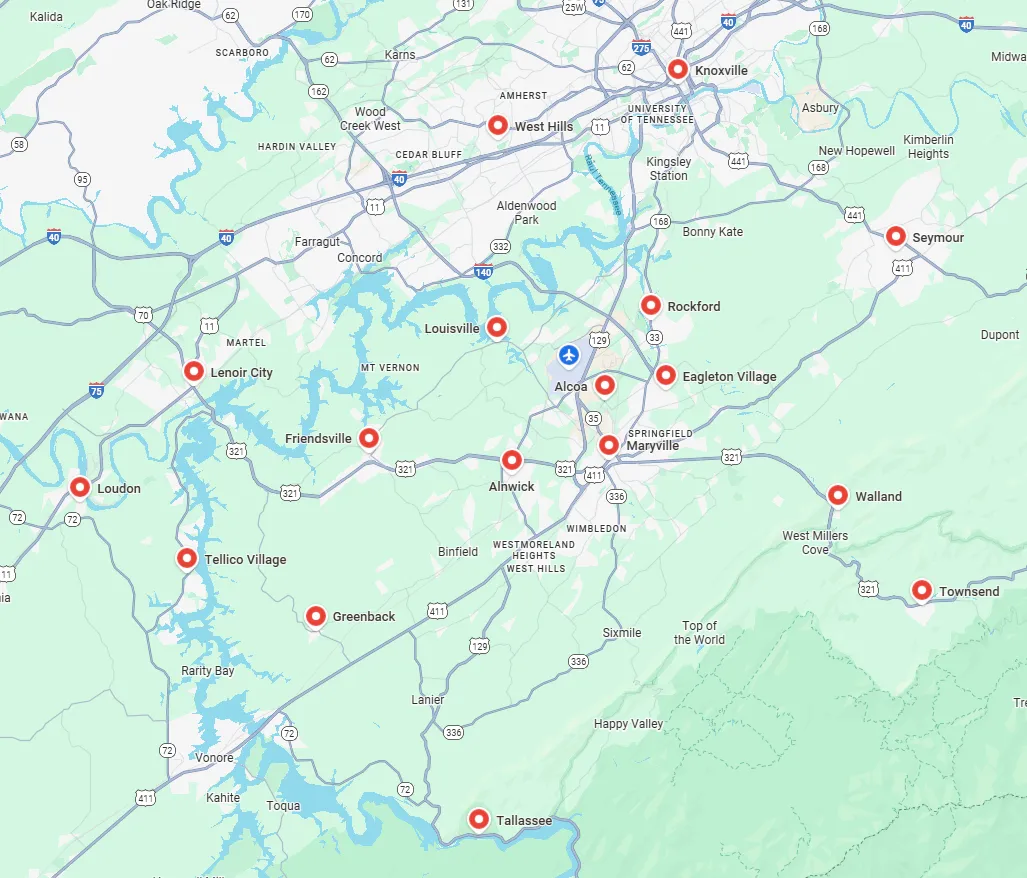
Service areas