

Heat Pump Installation in Greenback, TN
If you're looking to improve year-round comfort, slash operating costs, and truly modernize your home's heating and cooling in Greenback, TN, installing a new heat pump is an excellent choice. At Everest Air Heating and Cooling, we bring our local, practical expertise to every installation. This means precise sizing, professional refrigerant handling, and code-compliant workmanship, all to ensure your new system delivers reliable performance through those humid summers and cool East Tennessee winters. We'll clearly explain the full heat pump installation process, discuss common options and their tradeoffs, cover permit and warranty considerations, and detail the post-installation checks and homeowner orientation designed to protect your valuable investment.
.avif)
Why a heat pump makes sense for Greenback homes
Greenback sits in East Tennessee where summers are hot and humid and winters are generally mild but occasionally dip below freezing. Those climate conditions make air source heat pumps an excellent fit:
- Heat pumps provide efficient cooling during long, humid summers while also delivering safe, effective heating during milder winter conditions.
- Modern inverter-driven heat pumps maintain consistent temperatures and better humidity control than many older systems, which matters in Greenback summers.
- For homes with limited or aging ductwork, ductless Mini Split heat pumps provide targeted comfort without full duct replacement.
- When properly sized and installed, heat pumps can lower monthly utility bills and reduce carbon footprint compared with older electric resistance or fossil fuel systems.
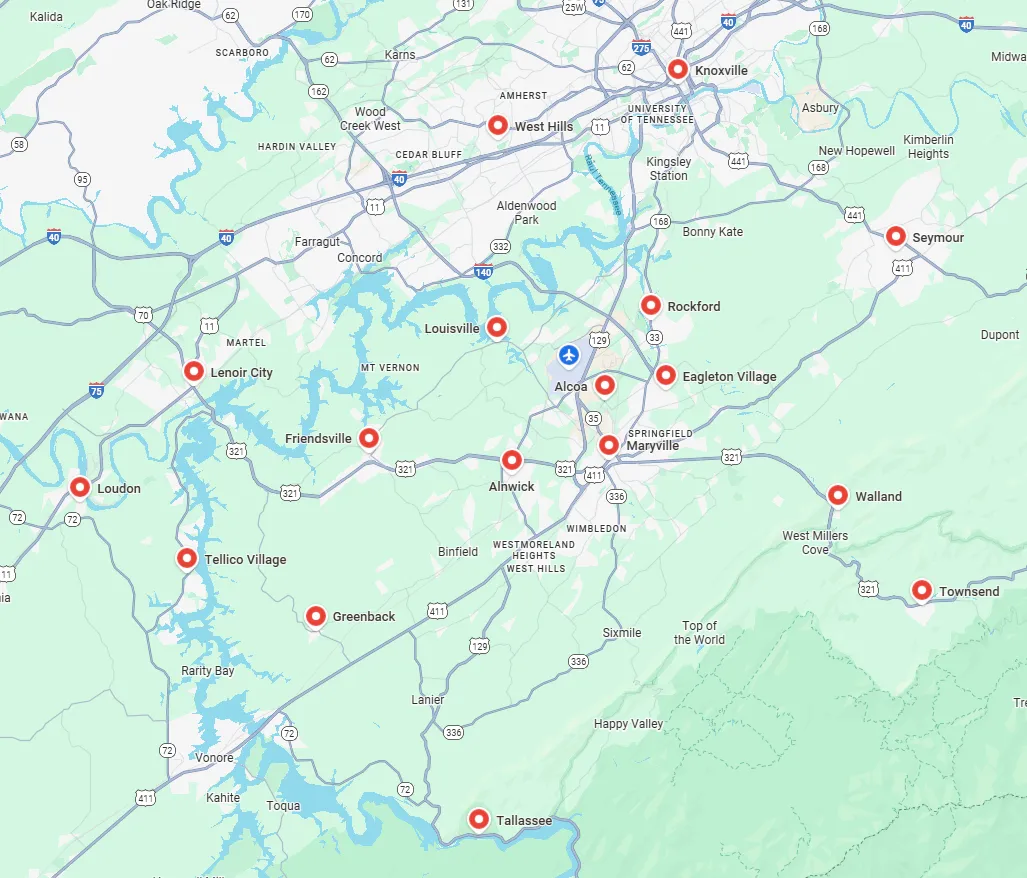
Everest Air Heating and Cooling approaches each Greenback installation with an eye for local weather patterns, typical home construction in Loudon County, and efficient long term operation.
Typical problems homeowners are solving with a new heat pump
- Excessive heating or cooling bills from an inefficient or oversized system
- Uneven temperatures or hot and cold zones across the home
- Old furnaces or AC units nearing end of life, increasing repair frequency
- Homes without ducts or with poorly sealed ducts looking for an efficient HVAC solution
- Desire for quieter, cleaner operation and better humidity control
The replacement or first time installation of a heat pump gives you an opportunity to fix root issues like duct leakage, improper sizing, and outdated controls while selecting a modern, efficient system that matches your home and lifestyle.
Types of heat pumps and how to choose for Greenback, TN
- Air source heat pumps (ducted): Most common choice for Greenback. They work well here given moderate winters and deliver both heating and cooling with one system. Available in single stage, two stage, and variable speed compressor options.
- Ductless Mini Split systems: Ideal for homes without existing ductwork, room additions, or zone control needs. Mini Splits reduce installation disruption and allow targeted comfort in bedrooms, living spaces, or finished basements.
- Cold climate heat pumps: If you have frequent subfreezing periods or long run times in winter, look for models specified for cold climates. These models maintain higher capacity at lower outdoor temperatures.
- Hybrid systems: Combine a heat pump with a gas furnace for homes that prefer a fossil fuel backup during the coldest days. This can optimize efficiency while guaranteeing comfort during extreme cold snaps.
Equipment selection should balance efficiency ratings, capacity, installation constraints, and your comfort priorities. Everest Air Heating and Cooling recommends models with high SEER and HSPF ratings, inverter-driven compressors, and reputable manufacturer support for Greenback homeowners.
Load calculations and equipment sizing: the foundation of a reliable installation
Correct sizing is crucial. Too large a unit will short cycle, increasing wear and reducing dehumidification. Too small a unit will struggle to maintain comfort. Professional sizing includes:
- Performing a Manual J load calculation: This accounts for square footage, insulation levels, window types and orientation, air infiltration, occupancy, and local climate data for Greenback.
- Assessing ductwork: If you have ductwork, we evaluate leakage, insulation, static pressure, and airflow distribution to ensure the heat pump will operate efficiently.
- Considering envelope improvements: Recommendations may include sealing air leaks, upgrading insulation, or replacing single-pane windows if they significantly affect heating or cooling loads.
- Matching equipment capacity and airflow: Proper blower selection and duct balancing ensure each room receives the intended airflow and temperature control.
Everest Air Heating and Cooling documents the load calculation and explains the rationale behind the chosen equipment, so you know the system is sized to deliver comfort and efficiency.
Guidance on selecting energy efficient models and important features
When choosing a heat pump for Greenback, prioritize these efficiency and comfort features:
- SEER (Seasonal Energy Efficiency Ratio): Higher SEER improves cooling efficiency; look for units with strong SEER ratings for Tennessee summers.
- HSPF (Heating Seasonal Performance Factor): Higher HSPF values indicate better heating efficiency.
- Variable speed inverter compressors: Provide smoother temperature control, better humidity management, and lower energy use by adjusting capacity based on demand.
- Two stage or variable fan motors: Improve comfort by allowing quieter operation at lower speeds while maintaining airflow.
- Enhanced dehumidification modes: Important in humid Greenback summers to control indoor humidity without overcooling.
- Sound rated components: Outdoor unit placement and quieter models reduce neighbor and homeowner disturbance.
- Durable coil materials and protective finishes: Help resist corrosion and extend outdoor unit life in humid conditions.
Everest Air Heating and Cooling helps you weigh efficiency, budget, and expected payback to arrive at the right model for your home.
Ductwork vs ductless Mini Splits: pros, cons, and when to choose each
Ducted heat pumps
- Pros: Whole home comfort with a single system, compatible with existing duct systems, centralized filtration and humidity control options.
- Cons: Poorly designed or leaky ducts reduce efficiency; duct replacement or sealing may add to installation scope.
- Best for: Homes with good existing ductwork or those willing to invest in ductwork improvements.
Ductless Mini Splits
- Pros: Minimal disruption, room-by-room control, high efficiency, excellent for additions and homes without existing ducts.
- Cons: Multiple indoor units can affect interior aesthetics; each zone has its own head and line set.
- Best for: Older Greenback homes without ducts, specific zones needing independent control, or when avoiding crawlspace or attic duct runs.
Everest Air Heating and Cooling evaluates your home layout, duct condition, and comfort goals to recommend the right path. In many Greenback installations, a hybrid solution combining a ducted heat pump for the main living areas and Mini Splits for challenging zones provides the best balance.
Professional installation steps: what to expect from a quality installation
A professional installation follows a defined sequence to ensure safety, efficiency, and code compliance:
- Site assessment and pre-install planning
- Identify optimal outdoor unit placement for airflow, noise control, and service access.
- Verify electrical service capacity and plan required circuit provisions.
- Confirm line set routing, condensate drainage, and mounting requirements.
- Preparing the home and existing infrastructure
- Protect floors and landscaping during equipment removal and installation.
- Remove obsolete equipment safely and dispose of refrigerant following regulations.
- Electrical work and disconnects
- Install dedicated breakers and disconnects sized for the new unit.
- Ensure wiring meets NEC requirements and local utility standards.
- Verify system grounding and safety interlocks.
- Refrigerant handling and piping
- Run properly sized line sets, observing manufacturer maximum lengths and elevation differentials.
- Brazing line sets with nitrogen purge to prevent oxidation.
- Perform a full evacuation with vacuum pumps and verify leak tightness before charging.
- Charge system per manufacturer specifications using superheat and subcooling measurements.
- Mounting and refrigerant circuit completion
- Secure outdoor condensing unit on a concrete pad or vibration isolating bracket where appropriate.
- Install indoor unit(s) or connect to ductwork, seal connections, and insulate refrigerant lines.
- Install condensate traps and route drain lines to proper termination points.
- Controls and thermostat integration
- Install and configure modern thermostats or communicating controls for zoning and Wi Fi capability.
- Program schedules, setpoints, and heat pump mode options, including emergency heat settings for hybrid systems.
- System startup and commissioning
- Verify voltage, amperage draw, and motor currents to ensure proper electrical operation.
- Check refrigerant pressures and temperatures; adjust charge if necessary.
- Validate airflow, static pressures, and temperature split across the coil.
- Test safety devices, reversing valve operation, and defrost cycle behavior.
- Permits and inspections
- Pull all required permits and arrange for final inspections with Greenback or Loudon County building departments.
- Provide documentation and code compliance paperwork for your records.
Everest Air Heating and Cooling follows these steps and documents each stage so your system is installed to last.
Permit, code compliance, and refrigerant handling requirements
Heat pump installations are subject to local building codes, electrical codes, and refrigerant regulations. Key compliance points include:
- Building and mechanical permits: Required for most new system installations, ductwork modifications, and equipment replacements. Everest Air Heating and Cooling secures permits and schedules inspections as part of the process.
- Electrical code compliance: NEC rules govern wiring, breaker sizing, disconnects, and grounding. Proper electrical work is required to protect the system and home.
- EPA refrigerant regulations: Technicians must be EPA 608 certified to handle refrigerants, recover old refrigerant, and ensure environmentally responsible handling.
- Local regulations: Greenback and Loudon County may have specific setback, noise, or outdoor unit location rules. Installers account for these when proposing equipment placement.
- Manufacturer installation requirements: Adhering to specified line set lengths, refrigerant charge methods, and clearances is essential to preserve warranties.
Everest Air Heating and Cooling ensures all permitting and code work is completed and documented so your installation meets municipal and manufacturer standards.
Warranty, registration, and financing options
- Manufacturer warranty: Most heat pumps include a limited parts warranty; compressors often carry extended coverage when registered. Registering the equipment per manufacturer instructions usually activates the best available warranty.
- Labor and workmanship warranty: Everest Air Heating and Cooling provides a workmanship warranty for the installation to cover defects associated with the install process.
- Warranty conditions: Regular maintenance and proper installation are typically required to preserve warranty coverage. Keep copies of service records and the manufacturer registration.
- Financing and incentives: Financing options and payment plans may be available to make upgrades more affordable. Additionally, utility or government incentives and rebates sometimes apply to high efficiency heat pump installations. Everest Air Heating and Cooling can outline typical options and documentation you might need for rebates or tax credits, and we will document system performance to support any claims.
When comparing proposals, consider combined warranty coverage and the installer reputation as part of total system value.
Post-installation testing and homeowner orientation
A thorough handoff after installation is essential. Expect the following steps before the crew leaves:
- Performance verification: Measurement of supply and return air temperatures, airflow, refrigerant pressures, voltage and amp draw, and system capacity verification relative to design values.
- Safety checks: Confirmation of proper electrical protection, float switches for condensate, and operational safety controls.
- Duct and airflow balancing: For ducted systems, balancing dampers and measuring room temperatures to ensure even comfort distribution.
- Noise and vibration checks: Ensure outdoor unit mounting minimizes vibrations; confirm indoor unit noise levels are acceptable.
- Documentation: Provide copies of load calculations, equipment model numbers and serial numbers, refrigerant charge notes, and warranty registration forms.
- Homeowner orientation: Walk through system operation including thermostat settings, heat pump modes, defrost cycle behavior, emergency heat use, filter replacement instructions, and recommended maintenance schedules.
- Maintenance enrollment: Explain preventive maintenance plans and recommended seasonal checkups that preserve efficiency and warranty coverage. Reference to the Y.E.T.I Comfort Plan can be made as a maintenance option.
This orientation helps homeowners operate the system efficiently and recognize normal vs abnormal behavior.
Maintenance and long term care for peak performance
Routine maintenance keeps your heat pump operating efficiently and extends equipment life. Key tasks include:
- Replace or clean filters monthly or per manufacturer instructions to maintain airflow and indoor air quality.
- Annual or biannual professional Tune-Ups: Clean coils, check refrigerant charge, verify electrical connections, lubricate motors if applicable, and inspect ductwork.
- Keep outdoor unit clear of debris, vegetation, snow, or other obstructions to maintain airflow.
- Monitor performance: Note larger temperature swings, longer run times, or unusual sounds and schedule professional inspection.
- Ductwork care: Have ducts inspected and sealed as needed; leaky ducts reduce efficiency and comfort.
Everest Air Heating and Cooling can document maintenance requirements and typical service intervals so your system continues to deliver expected savings and comfort.
Common installation issues and how professionals prevent them
- Incorrect sizing: Avoided by performing a full Manual J load calculation rather than relying on square footage rules of thumb.
- Improper refrigerant charge: Prevented by charging by superheat and subcooling with calibrated gauges and manufacturer specs.
- Electrical undersizing: Mitigated by verifying panel capacity and installing appropriate breakers and disconnects.
- Poor line set routing and insulation: Addressed by planning routes to minimize length and protecting lines from heat gain and corrosion in humid climates.
- Duct leakage: Identified with duct pressure testing and corrected by sealing, insulating, or redesigning problematic runs.
A qualified installer reduces these risks through training, experience, and attention to detail.
Why timely installation matters
Replacing a failing system before a complete breakdown:
- Prevents emergency situations in extreme weather.
- Avoids inefficiencies and rising repair costs of aging equipment.
- Takes advantage of seasonal incentives or product availability.
- Allows proper scheduling for permits and inspections without rush.
Everest Air Heating and Cooling emphasizes planning and transparency so installations proceed smoothly and on schedule.
Benefits you should expect after a professional installation
- Improved year round comfort with accurate temperature control and reduced hot and cold spots.
- Lower energy bills from higher efficiency equipment and properly sealed ductwork.
- Better humidity control and indoor air quality.
- Quieter operation and more consistent performance.
- Clear warranty and service documentation for long term protection.
For Greenback homeowners, these benefits translate into real comfort during humid summers and reliable warmth during cooler months, with a system sized and installed specifically for local conditions.
FAQs
Q: How long does a typical heat pump installation take?
A: Most residential heat pump installations for single family homes are completed in one to three days depending on system complexity, ductwork modifications, permitting, and whether a ductless layout or multi zone Mini Split is being installed.
Q: Will a heat pump work if we have low voltage or older electrical panels?
A: Heat pumps require proper electrical service including dedicated breakers and sometimes upgraded panels. Everest Air Heating and Cooling evaluates your electrical system during the site assessment and specifies any necessary upgrades to meet NEC and manufacturer requirements.
Q: Do heat pumps need special maintenance compared to air conditioners?
A: Maintenance is similar to air conditioners but with additional winter checks like defrost cycle verification. Regular filter changes, coil cleaning, and annual professional Tune-Ups ensure efficient operation and warranty compliance.
Q: Can a heat pump handle Greenback winters?
A: Yes. Modern heat pump models, particularly cold climate units, maintain efficient heating performance during typical Greenback winters. For properties with frequent extreme cold, a hybrid solution with a furnace backup may be recommended.
Q: What is the difference between SEER, HSPF, and COP?
A: SEER measures cooling efficiency over a season, HSPF measures heating efficiency for heat pumps, and COP is an instant measure of heating efficiency at specific conditions. Higher values generally indicate better efficiency and lower operating costs.
Q: Are there incentives or rebates for installing a heat pump in Tennessee?
A: Incentives and rebates change over time. Federal, state, and utility programs sometimes offer financial incentives for high efficiency heat pumps. Keep records of model specifications and efficiency ratings to support any applications.
Q: What warranty protections should I expect?
A: Expect a manufacturer parts warranty that varies by component and model, and an installer workmanship warranty. Registering the equipment per manufacturer instructions is often required to access full warranty benefits.
Q: Is a ductless Mini Split less efficient than a ducted heat pump?
A: Ductless Mini Splits avoid duct losses and can be very efficient, especially for zone control. Ducted systems can provide whole home comfort with centralized filtration but require tight, well insulated ducts to maintain efficiency.
Q: How do you ensure refrigerant is handled safely?
A: Our technicians are EPA 608 certified and follow all refrigerant recovery and charging procedures, including vacuum evacuation, leak testing, and charging based on manufacturer guidelines and verified measurements.
Q: What should I expect during homeowner orientation after installation?
A: Expect a full walkthrough covering thermostat programming, normal system sounds, filter maintenance, defrost cycle behavior, emergency heat operation if applicable, and documentation for warranties and permits.
Everest Air Heating and Cooling approaches each Heat Pump Installation in Greenback, TN with thorough planning, code compliant practices, and an emphasis on long term performance. By combining accurate load calculations, careful equipment selection, professional refrigerant and electrical work, and comprehensive post installation testing and education, we make sure your new heat pump delivers comfort and efficiency tailored to local climate and home characteristics.
hear what our satisfied clients have to say

David P.
Service areas