

AC Repair in Friendsville, TN
Keeping your home cool and comfortable through Friendsville summers isn't just a luxury; it's essential. Everest Air Heating and Cooling understands just how quickly a failing air conditioner can disrupt your daily life, especially here where hot, humid weather and pollen seasons elevate cooling needs. We want to empower you with information: what signs to look for when your AC is struggling, how our professional diagnostics work, the typical repairs and parts replacements we perform, and the availability of emergency response when you need it most. You'll appreciate our transparent pricing practices, including flat-fee diagnostics. We'll even share some practical steps you can take right away to stay more comfortable while a qualified Everest Air Heating and Cooling technician is on their way.
.avif)
Why fast, expert AC repair matters in Friendsville, TN
Friendsville experiences humid, hot summers where indoor comfort relies heavily on properly functioning air conditioning. High humidity makes systems work harder, which accelerates wear on compressors, motors, and refrigerant circuits. Many homes in the area also have older ductwork, mixed attic insulation, or houses close to wooded areas that raise pollen and debris levels. Left unaddressed, a simple AC problem can become a costly failure or create indoor air quality and mold concerns.
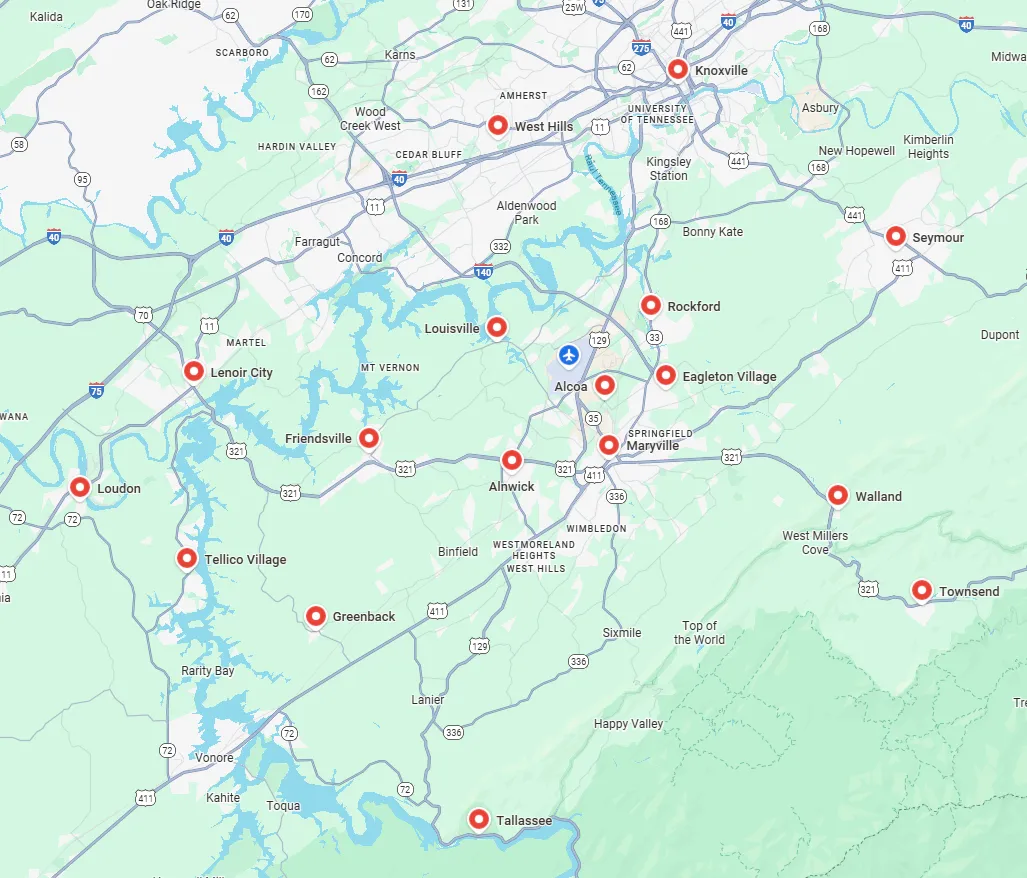
Everest Air Heating and Cooling brings local experience to every service call. Our technicians know the unique challenges in Blount County and surrounding areas, including how storms, power fluctuations, and seasonal pollen affect AC performance. Timely repair preserves efficiency, reduces energy bills, and extends equipment life.
Common AC failure symptoms in Friendsville homes
Recognizing early symptoms helps you get service before a small issue becomes an emergency. Common signs homeowners report include:
- No cooling or reduced cooling output
- The unit runs but fails to lower indoor temperature. Common causes: low refrigerant, failed compressor, clogged coils, or airflow restrictions.
- Strange noises
- Grinding, rattling, or hissing sounds indicate problems such as failing fan motors, loose components, refrigerant leaks, or a malfunctioning compressor.
- Water leaks or pooling
- Leaks around the indoor unit usually point to blocked condensate drains, cracked drain pans, or frozen evaporator coils from poor airflow. Outdoor leaks can also result from refrigerant issues.
- Short cycling (AC turns on and off frequently)
- Short cycles reduce comfort and strain components. Causes include oversized equipment, thermostat problems, electrical faults, or low refrigerant charge.
- Weak airflow from vents
- May be caused by failing blower motors, blocked ductwork, dirty filters, or closed dampers.
- High humidity or excessive condensation
- When the system cannot remove humidity properly, it may be undersized, undersupplied refrigerant, or have evaporator coil issues.
- Sudden spike in energy bills
- A failing component or reduced efficiency often manifests as higher energy use without a change in thermostat settings.
- Unpleasant odors from vents
- Musty or burnt smells can indicate mold growth in ductwork or electrical overheating.
Each symptom has multiple possible causes. A systematic diagnostic approach is essential to fix the underlying problem right the first time.
Our diagnostic process: what to expect
Everest Air Heating and Cooling follows a clear, methodical diagnostic workflow to identify root causes efficiently and transparently. The process reduces guesswork and avoids unnecessary parts replacement:
- Initial system and symptom review
- Technicians begin by discussing symptoms, runtime history, recent noises, and any previous repairs. Local context like recent storms or power outages is noted.
- Visual and safety inspection
- We check the indoor and outdoor units for obvious damage, loose wiring, damaged fan blades, debris around the condenser, and drain issues.
- Airflow and filter assessment
- Filters, supply and return vents, and the blower assembly are inspected. Restricted airflow is a common source of poor cooling and frozen coils.
- Electrical testing
- Voltage, current draw, contactor operation, and safety controls are measured to identify failing capacitors, motors, or control board faults.
- Refrigerant evaluation
- Refrigerant pressure is checked to determine if the system is low on refrigerant or has a leak. Refrigerant-related repairs always follow regulatory requirements for safe handling.
- Thermostat and control verification
- We verify thermostat calibration, sensor placement, and communication between components.
- Leak and moisture checks
- Condensate drains, drain pans, and coil condition are inspected to pinpoint causes of leaks or water backup.
- Performance readout
- Temperature split between supply and return air, system run times, and other performance data are recorded for diagnosis.
- Transparent recommendations
- After diagnostics, you receive an explanation of findings, repair options, and tradeoffs between repair and replacement based on system age and condition.
This step-by-step approach ensures repair recommendations are accurate and tailored to your Friendsville home.
Typical repair solutions and parts replacement
Once a diagnosis is complete, the most effective repair plan is selected. Common repairs include:
- Capacitor and relay replacement
- Capacitors and contactors fail from heat and cycling. Replacing these often restores reliable starting and operation for compressors and fans.
- Fan motor and blade repair or replacement
- Condenser fan motors and indoor blower motors suffer wear. Replacing bad motors or balancing and replacing blades eliminates noise and airflow issues.
- Compressor repairs or replacement
- Compressors are the heart of the outdoor unit. When compressors fail, replacement may be recommended depending on unit age and refrigerant type.
- Refrigerant leak detection and recharge
- Leaks are located with electronic or UV dye methods, repaired, and the system is recharged according to manufacturer spec.
- Evaporator or condenser coil cleaning and repair
- Dirty or damaged coils reduce heat transfer. Coil cleaning restores efficiency; severe damage may require coil replacement.
- Condensate drain cleaning and drain pan repair
- Clearing clogged drains and replacing corroded pans eliminates leaks and prevents water damage and mold.
- Thermostat replacement or recalibration
- Upgrading to a properly calibrated thermostat or correcting sensor placement improves temperature control and reduces cycling.
- Ductwork repair and sealing
- Leaky ducts are common in older Friendsville homes. Sealing and insulating ducts improves airflow and efficiency.
- Control board and sensor replacement
- Modern systems have electronic controls that may fail; replacing boards or sensors restores reliable operation.
We replace with manufacturer-recommended parts when possible and explain options if aftermarket or higher-efficiency parts are available. Decisions are made with an eye to long-term reliability and value for your home.
Response times and emergency service options in Friendsville
Everest Air Heating and Cooling recognizes that AC failure often cannot wait. Our local coverage strategy prioritizes quick response while matching the right level of service to the situation.
- Priority same-day or next-day service
- For major cooling loss during peak heat, priority scheduling aims to get a technician on site promptly. Response windows vary with season and local demand.
- Emergency after-hours support
- For true emergencies like systems that stop cooling during extreme heat, emergency options are available to address safety and severe comfort failures.
- Y.E.T.I Comfort Plan priority
- Homeowners enrolled in preventive maintenance plans receive priority scheduling and other benefits that reduce wait times during high-demand periods.
- Rural and storm response
- For homes on longer rural runs or those impacted by storm-related damage, technicians factor in travel and may carry commonly needed parts to reduce return trips.
Response time targets and availability are adjusted seasonally. When technicians are dispatched, homeowners receive a clear explanation of anticipated arrival windows and the nature of the on-site work, minimizing uncertainty.
Transparent pricing and flat-fee diagnostics
Clear pricing and honest recommendations are part of Everest Air Heating and Cooling values. We emphasize transparent diagnostic practices so you know what you are paying for and why.
- Flat-fee diagnostic inspection
- A flat-fee diagnostic covers the site visit, full systems testing, and a detailed repair estimate. The diagnostic fee is applied to repair when work is authorized.
- Itemized repair estimates
- After diagnostics, you receive an itemized explanation of recommended repairs, parts, labor, and why each item is necessary. Options and expected life of repairs are discussed so you can make an informed choice.
- No hidden costs
- Estimates reflect what is required to correct the diagnosed issue. If additional problems are discovered during repair, technicians review options before proceeding.
- Repair versus replacement guidance
- For older systems or when multiple significant failures are present, we provide an objective assessment comparing repair cost and expected remaining life against replacement to help determine the most economical path.
This transparent approach reduces guesswork and ensures Friendsville homeowners understand both the technical and financial aspects of AC repair decisions.
Practical tips to stay comfortable while awaiting repair
While waiting for service, there are reliable ways to improve comfort and protect your home:
- Adjust thermostat sensibly
- Set the thermostat a few degrees higher than desired instead of drastically cycling it. Avoid constantly changing settings, which can trigger short cycling.
- Use fans to improve perceived comfort
- Ceiling and portable fans increase evaporative cooling from skin and let you raise thermostat setpoints without feeling warmer.
- Close blinds and curtains
- Blocking direct sun reduces heat gain, especially in south- and west-facing rooms during afternoon hours.
- Reduce internal heat sources
- Delay using ovens, dryers, and other large appliances during the hottest parts of the day when possible.
- Delay using ovens, dryers, and other large appliances during the hottest parts of the day when possible.
- Improve airflow
- Ensure supply and return vents are open and unobstructed. Replace dirty filters to help airflow and reduce strain on the blower.
- Temporary spot cooling
- Portable air conditioners or window units can cool small living areas when central AC is offline. If power is limited, use them in the room you occupy most.
- Manage humidity
- Use dehumidifiers if available. Lower indoor humidity makes a room feel cooler and reduces mold risk during prolonged cooling outages.
- Safeguard vulnerable occupants
- For infants, elderly, or medically sensitive family members, keep a cooler, shaded room for rest, use cool compresses, and monitor for heat-related symptoms.
These measures help reduce discomfort and protect the system from further strain, improving the chances that repairs will be effective when a technician arrives.
Preventive maintenance: avoid emergency repairs
Preventive maintenance is the best defense against sudden failures. Regular Tune-Ups address wear and catch small problems early.
- Seasonal checkups
- Spring inspections before summer demand and fall checks before heating season ensure systems are ready to run reliably.
- Filter replacement and coil cleaning
- Regular filter changes and coil cleanings maintain airflow and heat transfer efficiency.
- Electrical and safety checks
- Measuring electrical components and safety controls during maintenance reduces the risk of on-the-job failures during peak operation.
- Ductwork inspection
- Leaks and poor insulation in ducts reduce efficiency and create uneven cooling. Sealing and insulating ducts extend system life.
- Priority scheduling and discounts
- Membership plans often include priority service windows and discounts that reduce downtime and costs during peak season.
Everest Air Heating and Cooling offers preventive service options designed to reduce breakdown frequency in Friendsville homes and protect long-term performance.
Why choose experienced, local technicians
Local experts bring important advantages: they know how Friendsville weather patterns, local building styles, and common equipment ages influence AC performance. Technicians from Everest Air Heating and Cooling apply that local knowledge to:
- Focus on the most likely failure points for your neighborhood
- Carry parts commonly needed for local systems to minimize return trips
- Provide realistic, region-specific guidance about repair vs replacement
- Offer maintenance plans tailored to Blount County conditions, including pollen, humidity, and storm exposure
Our family-owned approach emphasizes fairness, no high-pressure sales, and durable repairs done right the first time.
Benefits of timely AC repair
Prompt, professional repair delivers measurable advantages:
- Restored comfort and consistent indoor temperatures
- Reduced energy bills from efficient operation
- Extended equipment life and postponed replacement costs
- Lower risk of emergency breakdowns during peak heat
- Improved indoor air quality and reduced mold risk
- Predictable repair costs and fewer surprise expenses
Addressing AC symptoms early is the most cost-effective way to preserve comfort and system health in Friendsville homes.
Frequently asked questions
Q: How quickly can I expect a technician for AC repair in Friendsville, TN?
A: Response times depend on season and demand, but priority same-day or next-day options are commonly available for significant cooling failures, with emergency service for severe situations.
Q: What does a flat-fee diagnostic cover?
A: A flat-fee diagnostic typically includes the service visit, visual inspection, airflow and electrical testing, refrigerant evaluation, and a written repair recommendation with itemized options.
Q: Can my AC be repaired if it is leaking refrigerant?
A: Many refrigerant leaks can be located and repaired. After repairs, the system is evacuated, tested for leaks, and recharged to manufacturer specifications; some older systems using phased-out refrigerants may require special consideration.
Q: My AC makes a loud grinding noise. Is that an immediate danger?
A: Grinding often indicates failing bearings or motors and should be addressed promptly. While it may not be an immediate safety hazard, continued operation can cause further damage and costly component failure.
Q: Is short cycling dangerous for my AC unit?
A: Short cycling stresses compressors and other components, increases wear, and reduces efficiency. It is not safe to ignore; diagnosing thermostat, refrigerant, or electrical causes promptly prevents escalation.
Q: Will replacing a capacitor or contactor fix a unit that will not start?
A: Often yes. Broken capacitors and contactors are common reasons units fail to start. However, proper electrical diagnosis is essential because other issues like a failed compressor or control board can present similarly.
Q: What temporary steps should I take if my AC stops cooling on a hot day?
A: Replace or clean filters, ensure vents are open, use fans, close blinds, reduce internal heat sources, and move to the coolest room. Portable cooling can help if central cooling is offline for extended repairs.
Q: How do I know whether to repair or replace an older system?
A: Consider system age, frequency of repairs, refrigerant type, repair cost relative to replacement, and current comfort and efficiency. For systems over 10 to 15 years with recurring failures, replacement is often more economical long term.
Q: Does preventive maintenance really prevent breakdowns?
A: Yes. Regular maintenance catches worn components, improves airflow and refrigerant operation, and keeps electrical systems in check, significantly reducing the chance of midseason failure.
Q: Are parts and repairs for all major brands available locally?
A: Experienced local technicians typically service major brands and carry or source common parts. Availability may vary by brand and model, and rare parts for discontinued units may require alternative solutions.
Q: Can high humidity cause my AC to run constantly without cooling properly?
A: High humidity increases system load and can make cooling less effective if the system is undersized, has refrigerant issues, or restricted airflow. Addressing humidity and AC performance together often resolves the problem.
Q: Will sealing ductwork improve my AC performance?
A: Yes. Leaky or poorly insulated ducts allow cooled air loss and unbalanced airflow. Sealing and insulating ducts improves comfort, reduces run times, and lowers energy use.
Everest Air Heating and Cooling combines local knowledge, clear diagnostics, and honest repair guidance to keep Friendsville homes comfortable year round. Our focus is on reliable, long-lasting solutions tailored to the local climate and home construction patterns in Blount County. When AC issues arise, informed decisions based on thorough diagnostics minimize disruption and protect your investment in home comfort.
hear what our satisfied clients have to say

David P.
Service areas