

AC Installation in Townsend, TN
Keeping your home comfortable through Townsend's summers and those humid shoulder seasons absolutely depends on having the right air conditioning system installed correctly. Here at Everest Air Heating and Cooling, we bring our local expertise and a truly customer-first approach to every AC installation in Townsend, TN. We'll walk you through our entire installation process, starting with an on-site assessment and precise load calculations. From there, we cover unit selection, permitting, the actual installation steps, timelines, cost considerations, warranties, financing options, and then a thorough post-installation test along with all the homeowner education you need. If you're comparing options and just need a straightforward explanation of what to expect, know that we're here to help homeowners like you who are ready to invest in a reliable, efficient cooling solution. When it comes to reliable and efficient cooling, you can trust Everest Air Heating and Cooling.
.avif)
Why a local, professional AC installation matters in Townsend, TN
Townsend sits at the edge of the Great Smoky Mountains and experiences warm, humid summers, frequent afternoon humidity spikes, and pollen seasons that affect indoor air quality. These local climate characteristics increase cooling loads and place additional demands on system airflow and humidity control. Older mountain-area homes may have unique ductwork runs, crawlspace access challenges, or limited outdoor unit location options. A professional local installation addresses those site-specific challenges while optimizing for energy efficiency, indoor comfort, and long-term reliability. Everest Air Heating and Cooling combines industry-standard practices with local experience to size and place equipment properly for Townsend homes.
Common reasons homeowners choose a full AC installation
- Old or failing system that is inefficient or unreliable
- Increasing summer humidity or uneven cooling in rooms
- Desire for lower energy bills with a higher efficiency system
- Remodeling, home addition, or converting to ductless zones
- Replacing a discontinued or obsolete model
- Improving indoor air quality and humidity control
Types of AC systems we install in Townsend homes
- Central split systems with ducted air distribution - the most common option for whole-house cooling in established homes
- Packaged rooftop units - typically for specific commercial or new construction residential needs
- Ductless Mini Split systems - ideal when ductwork is impractical, for additions, guest suites, or targeted zone control
- Heat pumps with cooling capability - efficient choice for mild winters and hot summers, providing both heating and cooling in one system
Each option has pros and cons related to efficiency, upfront cost, installation complexity, and suitability for your home layout. Everest Air Heating and Cooling evaluates those trade-offs during the initial assessment.
The on-site assessment and load calculations
A successful AC installation begins with a comprehensive on-site assessment, not a guess. Key steps include:
- Visual inspection of the home exterior and potential outdoor unit locations to identify airflow clearance, shading, and ease of installation.
- Interior walkthrough to review thermostat placement, existing ductwork condition, insulation levels, attic and crawlspace access, window orientation, and areas with comfort problems.
- Ductwork inspection to detect leaks, inadequate insulation, undersized runs, or poor returns that could limit performance.
- Measurement of attic and wall insulation values and window efficiency, as these affect cooling load.
- Performing Manual J load calculations to accurately determine cooling capacity needed. Manual J accounts for home size, construction, orientation, occupancy, and local climate data specific to Townsend and the surrounding mountain-influenced conditions.
- Performing Manual D if ductwork changes are needed, and Manual S to match the chosen equipment to your calculated load.
Accurate load calculations prevent common mistakes like oversizing, which causes short cycling and humidity problems, or undersizing, which leads to poor comfort and excessive runtime.
Unit sizing and energy-efficient model recommendations
Choosing the right size and model is crucial. Recommendations from Everest Air Heating and Cooling will consider:
- Proper tonnage based on Manual J calculations. For Townsend homes, humidity control is as important as cooling capacity, so we often recommend systems that run longer cycles rather than short, high-capacity bursts.
- Seasonal Energy Efficiency Ratio (SEER) ratings. Higher SEER systems deliver better efficiency and lower operating costs over time, particularly important during hot Townsend summers.
- Variable speed compressors and multi-stage systems that modulate output for better humidity control and quieter operation.
- High-efficiency air handlers and ECM blower motors that improve airflow and reduce electrical draw.
- Ductless Mini Split options for rooms without ductwork, attic conversions, or supplemental cooling for additions. Mini Splits offer zoned comfort, high efficiency, and minimal invasive installation work.
- Indoor air quality options such as media filters, UV lights, and dehumidification accessories when pollen and humidity are concerns.
Everest Air Heating and Cooling will provide equipment comparisons and explain lifecycle costs, including energy use and expected lifespan, so you can choose the best fit for performance and budget.
Permitting and code compliance in Townsend
Installing a new AC system typically involves local building permits and inspections to ensure safety and code compliance. Everest Air Heating and Cooling handles:
- Permit application preparation, including equipment specifications and installation plans.
- Coordination with the local building department and inspectors in Blount County and applicable jurisdictions for Townsend, TN.
- Ensuring refrigerant handling and disposal follow EPA regulations and local codes.
- Documenting electrical connections, condenser placement, and any modifications to load-bearing structures or mechanical systems.
Proper permitting protects your investment, ensures installations meet local standards, and simplifies future real estate transactions.
Professional installation steps
A professional installation follows a consistent, quality-focused sequence:
- Pre-install preparation
- Confirming equipment delivery and staging materials.
- Protecting floors and landscaping around the work area.
- Reviewing the scope and timeline with the homeowner.
- Outdoor unit placement and pad preparation
- Selecting an optimal location for airflow, accessibility, and noise mitigation.
- Installing a level concrete, polymer, or vibration-isolating pad.
- Ensuring proper clearances from property lines and windows.
- Indoor unit and duct or wall mounting
- Installing or replacing the air handler, furnace coil, or indoor cassette for Mini Splits.
- Making duct transitions, return modifications, or adding insulation where necessary.
- Running refrigerant lines, condensate drains, and electrical wiring per code.
- Refrigerant charging and system evacuation
- Proper evacuation of lines to remove moisture and contaminants.
- Charging to manufacturer specifications using accurate gauges and procedures.
- Verifying correct refrigerant type for the selected unit.
- Electrical connections and controls
- Installing or upgrading the disconnect switch, breakers, and wiring sized to code.
- Mounting and configuring thermostats or zone controllers.
- Verifying safety controls and proper grounding.
- Duct sealing and airflow balancing
- Sealing seams with mastic or approved foil tape.
- Testing static pressure and adjusting fan speeds or dampers for balanced airflow.
- Final testing and commissioning
- Measuring temperature differentials, airflow CFM, and refrigerant pressures.
- Checking condensate flow and ensuring no leaks.
- Running extended tests to verify stable operation under load.
Each step is documented and inspected as needed, ensuring consistent quality and traceability throughout the project.
Timeline and project phases
Typical timelines vary by project complexity:
- Simple like-for-like replacement of a central split unit with existing ductwork in good condition: often completed in 1 day or less.
- Replacement requiring new indoor air handler, minor duct repairs, or condensate line adjustments: usually 1 to 2 days.
- Installations involving ductwork redesign, multiple indoor zones, or Mini Split multi-head systems: 2 to 4 days depending on scope.
- New construction or major remodels with extensive duct fabrication and electrical upgrades: timeline determined by coordination with builders and trades.
Weather, equipment lead times, permitting turnaround, and home accessibility can affect scheduling. Everest Air Heating and Cooling plans each installation to minimize disruption while maintaining workmanship standards.
Cost considerations and what affects price
Several factors drive final installation cost:
- Equipment efficiency and features - higher SEER ratings, variable-speed compressors, and premium air handlers increase upfront cost but reduce operating expenses.
- System capacity and the number of indoor units or zones.
- Ductwork condition - repairing or replacing ducts adds labor and materials.
- Electrical upgrades - service panel capacity or additional breaker requirements increase cost.
- Accessibility - tight crawlspace, difficult outdoor unit placement, or steep roofs can require more labor.
- Permitting, inspections, and local fees vary by jurisdiction and project.
- Optional indoor air quality components like UV lights, enhanced filtration, or whole-home dehumidifiers.
Everest Air Heating and Cooling provides transparent estimates that list equipment, labor, permits, and recommended upgrades so you can compare options and understand long-term benefits. Our approach is no high-pressure sales and no hidden costs.
Warranty, manufacturer coverage, and workmanship guarantees
Protecting your investment includes both manufacturer warranties and installer workmanship assurances:
- Manufacturer warranties cover components such as compressors and coils and vary by brand and model. Higher-tier equipment often carries longer parts and compressor warranties.
- Everest Air Heating and Cooling includes a workmanship warranty for installation labor to cover defects in installation, refrigerant charging, and electrical connections for a defined period.
- Some components like refrigerant and electrical connections may have separate warranty terms, so documentation is provided at completion.
- Regular maintenance under a service plan helps preserve warranty eligibility and system longevity. Everest Air Heating and Cooling’s Y.E.T.I Comfort Plan and recommended service schedules support warranty compliance and peak performance.
Clear warranty documentation is provided at handover so homeowners understand coverage and how to file a claim if needed.
Financing and payment options
Replacing an AC system is a significant home improvement. Everest Air Heating and Cooling understands varying budgets and typically makes information available about financing options that can spread payments over time. Financing availability, terms, and approval depend on third-party lenders and are explained transparently during the estimate process. Financing considerations often include interest rates, term length, and monthly payment estimates compared against expected energy savings for high-efficiency models.
Post-installation testing and homeowner education
A quality installation does not end when the system runs. Everest Air Heating and Cooling performs thorough post-installation testing and takes time to educate homeowners on operating their new system:
- Performance verification including temperature split testing across supply and return, static pressure checks, and measured airflow.
- Thermostat programming and demonstration of zoning controls or Wi-Fi thermostat features.
- Instruction on filter types, replacement schedule, and where to find service panels and disconnects.
- Guidance on basic maintenance tasks such as keeping outdoor unit clear of debris, maintaining proper condensate flow, and seasonal checklists.
- Explanation of warranty registration steps, maintenance plan benefits, and service scheduling expectations.
- Documentation of system specifications, refrigerant type, and outdoor unit serial numbers for homeowner records.
This hands-on orientation ensures you can operate the system efficiently and recognize when to call for preventive service rather than reactive repairs.
Long-term benefits of a professional AC installation in Townsend
- Improved indoor comfort and consistent humidity control tailored to Townsend’s climate.
- Lower energy bills with a properly sized and efficient system.
- Longer equipment life and fewer unexpected breakdowns.
- Better indoor air quality when coupled with upgraded filtration and dehumidification.
- Increased home value and peace of mind through code-compliant permits and documented installation records.
Everest Air Heating and Cooling approaches every installation as a long-term investment in comfort and efficiency for Townsend homeowners.
Maintenance and seasonal care recommendations
To protect your investment and maintain peak performance:
- Schedule professional maintenance at least once per year, ideally before the cooling season.
- Replace or clean filters regularly - monthly for standard filters, or per manufacturer guidance for higher efficiency media filters.
- Keep the outdoor unit clear of vegetation and debris and maintain a two-foot clearance on all sides for airflow.
- Monitor condensate drain lines and pans for clogs to prevent water damage or mold growth, especially in humid months.
- Consider a whole-house dehumidifier in homes with persistent humidity issues that strain cooling systems.
Consistent preventive maintenance is one of the most effective ways to sustain efficiency, maximize warranty coverage, and reduce repair expenses over the life of the system.
Why Everest Air Heating and Cooling for AC Installation in Townsend, TN
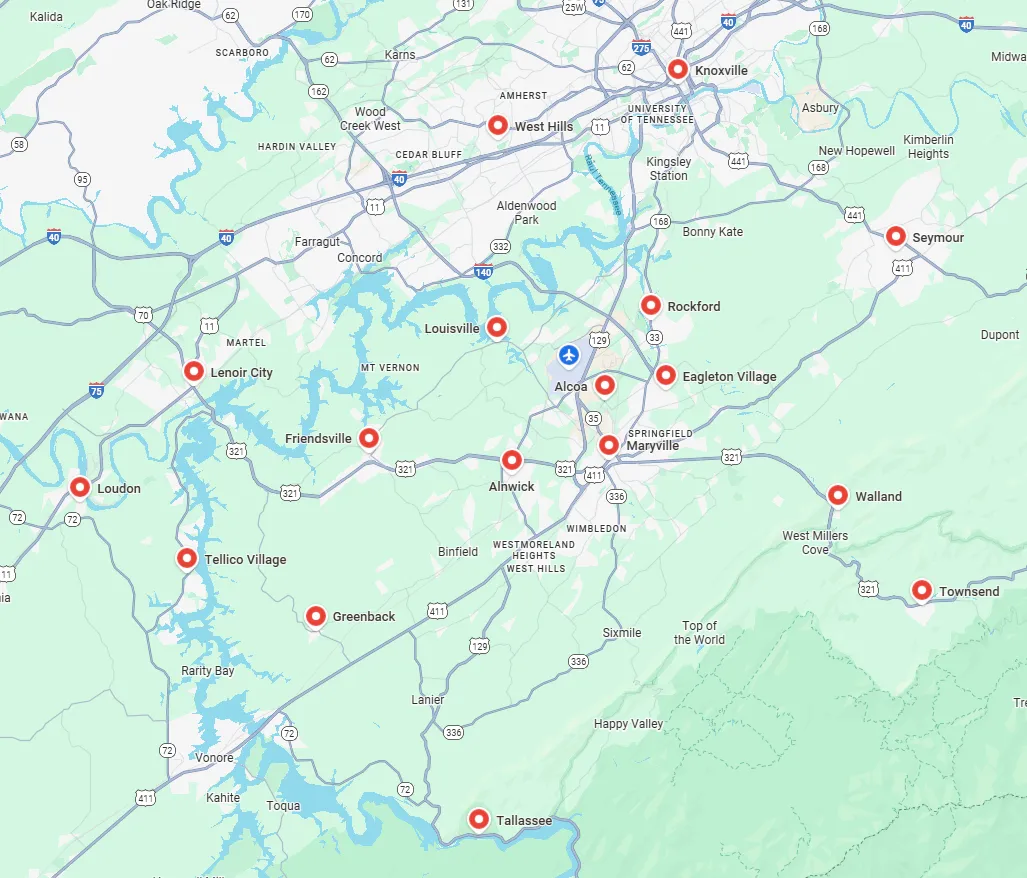
Everest Air Heating and Cooling combines family-owned service values with professional standards tailored to Blount County and Townsend area homes. Our technicians emphasize accurate load sizing, energy-efficient recommendations, careful permitting, and clean, documented installations. We recognize the specific demands of mountain-edge climate patterns and older home construction, and we plan installations to deliver consistent comfort and reliable performance.
Frequently our installations include recommendations for duct sealing and airflow improvements, variable-speed equipment for humidity control, and ductless Mini Split options for hard-to-reach or remodeled spaces. We also provide clear warranty information and maintenance options through our Y.E.T.I Comfort Plan to help homeowners preserve system efficiency year after year.
FAQs
Q: What is the first step in getting a new AC installed in Townsend, TN?
A: The first step is scheduling an on-site assessment so a technician can perform Manual J load calculations, inspect ductwork and the property, and recommend the right system size and options for your home and local climate.
Q: How long does a typical AC installation take?
A: Simple like-for-like replacements are often completed in a single day. Projects that require ductwork changes, multiple indoor units, or complex electrical upgrades typically take 2 to 4 days, depending on scope and permitting.
Q: Are permits required for AC installation in Townsend?
A: Yes, most full system installations require permits and inspections through the local jurisdiction. Everest Air Heating and Cooling handles permit paperwork and coordinates inspections to ensure code compliance.
Q: What is a Manual J and why is it important?
A: Manual J is the industry-standard load calculation that determines the correct cooling capacity for your home based on construction, insulation, orientation, occupancy, and local climate. Proper Manual J sizing prevents oversizing and undersizing issues.
Q: Should I consider a ductless Mini Split for my Townsend home?
A: Ductless Mini Splits are an excellent option for additions, rooms without ductwork, or when zoning is desired. They offer high efficiency and flexible installation, which can be advantageous in older or uniquely laid out mountain homes.
Q: How do I choose between a high SEER unit and a standard efficiency model?
A: Higher SEER units reduce operating costs and improve humidity control but require a larger upfront investment. Evaluate expected energy savings over the system life against your budget, and consider how long you plan to stay in the home.
Q: What warranties are provided with a new AC installation?
A: Manufacturer warranties cover parts and compressors based on the chosen equipment, and Everest Air Heating and Cooling provides a workmanship warranty for the installation. All warranty details are documented at handover.
Q: Will the installation help with indoor air quality and pollen in the spring?
A: Yes. Properly sized systems with upgraded filtration, UV lights, and, if necessary, whole-house dehumidifiers can significantly improve indoor air quality and reduce pollen and allergen circulation in your home.
Q: How often should I have maintenance performed?
A: Annual preventive maintenance is recommended, with an emphasis on pre-summer checkups. For optimal performance and warranty compliance, bi-annual checkups may be suggested for some systems.
Q: Can I finance a new AC system installation?
A: Financing options are often available and are provided through third-party lenders. Everest Air Heating and Cooling explains the available plans, terms, and how financing aligns with anticipated energy savings.
Q: What should I expect during the final walkthrough?
A: The final walkthrough includes performance testing, thermostat programming instruction, maintenance recommendations, warranty documentation, and answers to any homeowner questions about daily operation and seasonal care.
hear what our satisfied clients have to say

David P.
Service areas