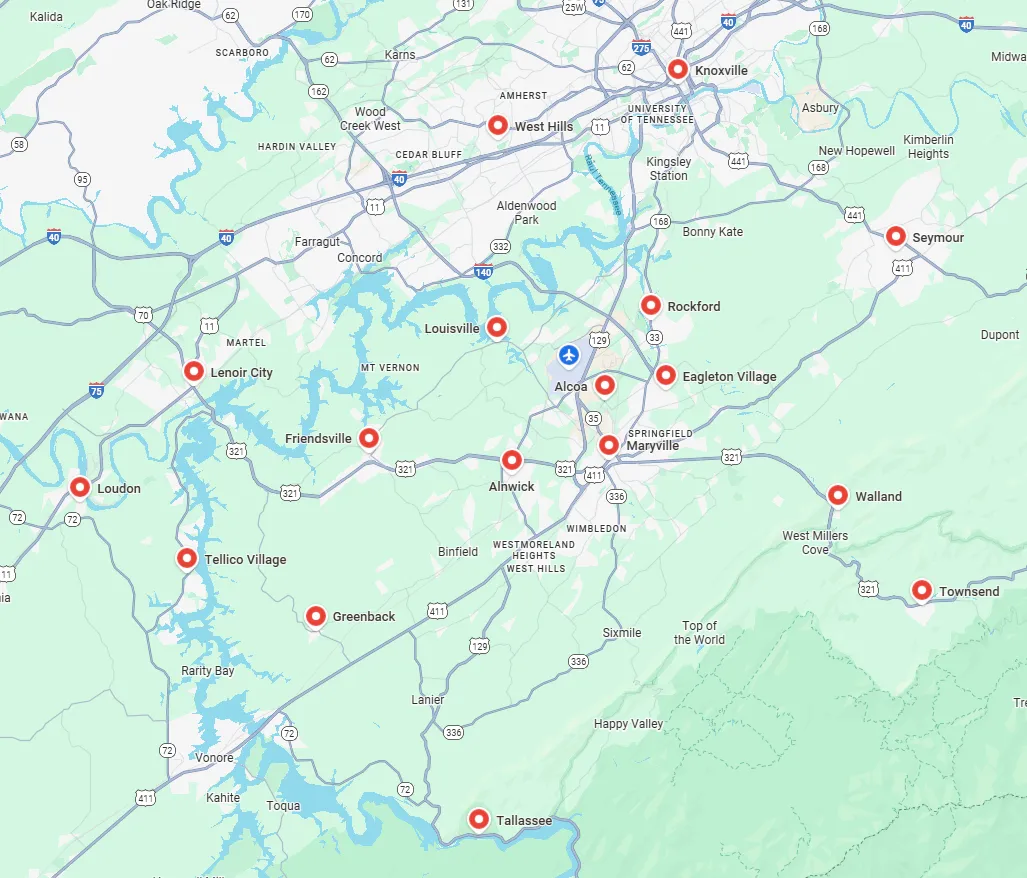


AC Installation in Rockford, TN
Thinking about a new air conditioner for your Rockford, TN home? It's a big decision, and frankly, one of the best investments you can make for staying comfortable, breathing cleaner air, and saving on energy bills. Those Tennessee summers here in Rockford really crank up the heat and humidity, putting your cooling system to the test. At Everest Air Heating and Cooling, we understand what Rockford homes need. We don't just install AC systems; we custom-design them, ensuring accurate load calculations, perfectly sized equipment, and a professional installation that means reliable, efficient cooling that truly lasts.
.avif)
AC Installation in Rockford, TN
Installing a new air conditioner is one of the most important investments you can make for comfort, indoor air quality, and energy savings in Rockford, TN. Summer in this part of Tennessee brings hot, humid days that put heavy demand on cooling systems. Everest Air Heating and Cooling designs and installs AC systems tailored to the unique needs of Rockford homes, combining accurate load calculations, right-sized equipment, and professional installation practices to deliver reliable, efficient cooling that lasts.
Why a professional AC installation matters in Rockford, TN
A properly installed air conditioning system does more than cool your home. In Rockford, where humidity and afternoon storms are common, a correctly sized and installed system:
- Removes excess humidity for improved comfort and reduced mold risk.
- Maintains even temperatures across multiple rooms and levels.
- Operates more efficiently, helping offset higher seasonal electric use.
- Avoids early wear caused by frequent short cycling or improper refrigerant charge.
- Everest Air Heating and Cooling approaches each installation with local climate and housing stock in mind, from older farmhouse-style homes with crawlspaces to newer suburban builds with attic ducts.
Typical AC installation services and options for Rockford homes
When homeowners in Rockford consider a new AC installation, they typically choose from the following service types and system options:
- Central air conditioning with matched condenser and air handler or furnace.
- High-efficiency split systems with elevated SEER ratings for lower operating costs.
- Ductless Mini Split systems for room additions, sunrooms, or homes with inadequate ductwork.
- Heat pump systems that provide both efficient cooling and heating for mild winters.
- Hybrid systems that combine heat pump cooling with gas furnaces for winter performance.
- Replacement of individual components such as condensers or air handlers when partial replacements make sense.
Each option has tradeoffs in upfront cost, energy efficiency, and suitability for specific Rockford homes. Everest Air consultants explain these tradeoffs clearly and base recommendations on accurate measurements and local experience.
Step 1: Home load assessment and correct unit sizing
The foundation of a reliable installation is an accurate load calculation. Everest Air performs comprehensive load assessments that account for:
- Square footage and ceiling heights.
- Number and orientation of windows and doors.
- Insulation levels in attic, walls, and crawlspaces common to Rockford home construction.
- Air leakage and duct efficiency.
- Occupancy patterns and indoor heat-producing appliances.
Technicians use industry-standard Manual J calculations to determine the precise cooling capacity required. Oversized units may cool the air quickly but will not remove humidity properly and will cycle on and off frequently. Undersized units will run continuously without achieving comfort. Proper sizing ensures comfort, efficiency, and longevity.
Step 2: Guidance on selecting energy-efficient models and reputable brands
Rockford homeowners benefit from selecting systems that match long-term comfort and energy goals. Key selection criteria include:
- SEER rating: Seasonal Energy Efficiency Ratio indicates cooling efficiency. Higher SEER models can reduce energy bills during Rockford summers.
- HSPF for heat pumps: Heating Seasonal Performance Factor matters if choosing a heat pump.
- Variable-speed or two-stage compressors: These provide better humidity control and quieter, more consistent comfort.
- Matched components: Using a matched condenser and air handler or furnace optimizes performance and preserves warranty coverage.
- Reputable brands: Everest Air installs equipment from established manufacturers known for reliability and local serviceability.
- Technicians review warranties, expected lifecycle, and local serviceability to ensure the chosen model is a practical long-term solution for Rockford homeowners.
Step 3: Ductwork inspection and Mini Split considerations
Ductwork condition plays a major role in system performance. Common duct issues in Rockford homes include leaks in crawlspace ducts, undersized trunk lines, and insulation gaps in attic ducts. Everest Air evaluates:
- Duct leakage and need for sealing.
- Duct sizing relative to the new system airflow requirements.
- Insulation adequacy and routing to avoid condensation in humid weather.
When ductwork is compromised, upgrading or sealing ducts often yields immediate comfort and efficiency improvements. For homes where duct replacement is impractical, ductless Mini Split systems provide targeted cooling without invasive remodeling. Mini Splits are beneficial for:
- Room additions, garages converted to living space, and zoned comfort needs.
- Homes with minimal or no ductwork.
- Situations where independent temperature control is desired.
Step 4: Professional installation procedures - what to expect
Everest Air follows a clear, step-by-step installation protocol to ensure safety, code compliance, and peak performance:
- Site preparation: Protect flooring and landscaping, confirm placement for outdoor condenser with adequate clearance and drainage.
- Removal and disposal: Carefully remove the old unit, salvage or recycle refrigerant per regulations, and responsibly dispose of components.
- Duct and electrical checks: Verify the existing circuit and breaker capacity, and confirm ductwork connections and airflow pathways.
- Mounting and leveling: Set the condenser on a pad or stand, level it for proper compressor operation, and secure outdoor equipment against wind and storm conditions common in the region.
- Refrigerant line and coil installation: Run and insulate refrigerant lines through penetrations, and mount indoor coil or air handler. Ensure line set length and elevation changes meet manufacturer specifications.
- Electrical connections: Connect equipment to thermostat wiring and power supply, following local code and manufacturer wiring diagrams.
- System evacuation and refrigerant charge: Pull a deep vacuum to remove moisture and non-condensables, then charge the system to the precise refrigerant level required for the unit and site conditions.
- Duct transitions and balancing: Install proper transitions, return plenums, and registers. Adjust dampers and measure airflow to meet design values.
- Safety and compliance checks: Test safety controls, high and low pressure cutouts, and verify condensate drain is routed and pitched to prevent backups.
- Every step is performed with attention to the humid summers and storm-related power issues Rockford experiences, ensuring robust operation through high-demand conditions.
Step 5: Post-installation testing and commissioning
A newly installed system must be thoroughly tested to confirm performance and reliability. Everest Air completes a structured commissioning checklist that includes:
- Refrigerant pressure and temperature verification to confirm correct charge.
- Airflow measurements at supply and return grilles to validate system balance.
- Electrical current draw and voltage checks to ensure motors and compressors operate within manufacturer limits.
- Thermostat calibration and control verification, including scheduling features if a smart thermostat is installed.
- Condensate drain flow testing and overflow safety switch checks to prevent water damage during heavy humidity events.
- Noise and vibration check to ensure the outdoor unit is properly mounted and isolation requirements are met.
- First-run humidity and temperature reduction observations to confirm the system removes moisture effectively.
- This rigorous testing is essential in Rockford, where humidity control is as important as temperature reduction for occupant comfort.
Warranty, permits, and financing options
Installing a new AC system involves multiple warranties and sometimes local permitting. Everest Air provides guidance on:
- Manufacturer warranties: Length and coverage details for compressors, coils, and other major components. Matched-system installations often retain full warranty benefits.
- Labor warranties: Coverage for installation workmanship and timeframes for repair of installation-related issues.
- Local permits and code compliance: Everest Air ensures installations conform to local building codes and handles permit submissions when required. Permits protect homeowners and ensure safe electrical and refrigerant handling practices.
- Financing options: Many homeowners prefer monthly financing to spread the cost of a new system. Everest Air outlines typical financing structures and what documentation is generally needed from homeowners. Financing availability and terms vary, so discussing options early in the decision process helps align budget and expectations.
- Clear documentation of warranty terms, permit records, and system specifications is provided at handover to make future service and potential warranty claims straightforward.
Common installation challenges in Rockford and how we address them
Rockford homes present specific installation challenges. Everest Air applies local experience to mitigate these issues:
- High humidity and condensate management: We size and route condensate drains with extra capacity and add safety switches where crawlspaces or finished basements might be affected.
- Older homes with limited access: For homes with crawlspaces, low attics, or knob-and-tube wiring, we assess alternative routing, low-profile equipment, or ductless solutions to minimize invasive work.
- Storm and debris risk: Outdoor condenser locations are chosen to avoid excessive plant debris and ensure stable, level operation after heavy rains or winds.
- Electric service limitations: Some older Rockford homes need upgraded electrical service or dedicated circuits to support modern high-efficiency units. We identify these needs early and coordinate upgrades with licensed electricians as required.
- Zoning needs: For multi-level homes where upstairs temperatures run higher, we recommend zoning solutions or multi-stage systems to deliver balanced comfort.
Long-term performance and maintenance recommendations for Rockford homeowners
To protect your investment and maintain peak performance throughout the seasons, follow these maintenance practices tailored to Rockford conditions:
- Replace or clean filters every 1 to 3 months during heavy use, and more often if you have pets or high pollen seasons.
- Schedule biannual Tune-Ups: A spring check before summer verifies cooling readiness; a fall check is important for heat pumps or hybrid systems. The Y.E.T.I Comfort Plan from Everest Air provides structured seasonal inspections and priority scheduling for preventative care.
- Keep the outdoor condenser free of debris, leaves, and overhanging vegetation to preserve airflow and lower the risk of overheating.
- Seal and insulate ductwork, especially in unconditioned crawlspaces and attics, to reduce thermal losses and prevent condensation-related damage.
- Maintain proper attic insulation and ventilation to reduce heat gain into the living space and reduce cooling load on your system.
- Use programmable or smart thermostats to reduce unnecessary run time while maintaining comfort. Program setbacks for unoccupied hours and use geofencing or adaptive schedules if the thermostat supports it.
- Monitor refrigerant levels and airflow: If your system struggles to reach set temperatures or if humidity is not being controlled, an early diagnostic check can prevent larger failures.
- Protect the condensate drain and overflow: Insects, dirt, and algae can clog drains in humid environments. Periodic flushing and installation of trap and cleanout points can prevent backups.
- Keep exterior unit elevated: In Rockford areas prone to heavy rain, placing the condenser on a raised pad prevents water pooling and potential motor damage.
- These practices extend equipment lifespan, optimize efficiency, and maintain warranty compliance.
Energy-saving strategies and efficiency upgrades
Choosing the right equipment is only part of the equation. Everest Air recommends practical upgrades to maximize efficiency in Rockford homes:
- High-SEER systems: If your home has frequent summer usage, higher SEER ratings reduce seasonal energy consumption.
- Variable-speed blowers and compressors: These modulate output to match load, improving humidity control and comfort levels.
- Zoned systems or multiple Mini Splits: These allow targeted conditioning of occupied spaces, reducing overall energy waste.
- Duct sealing and insulation: Improving duct performance often yields immediate comfort and lower operating costs.
- Attic insulation improvements: Minimizing heat transfer into the living space lowers cooling loads and system runtime.
- Smart thermostat integration: Learning thermostats and remote monitoring help minimize wasted cooling while ensuring comfort when needed.
- Applying a combination of these strategies produces meaningful annual savings and enhances comfort during Rockford summers.
What to expect at handover
When the installation is complete, homeowners receive a professional handover package that typically includes:
- Equipment specifications and serial numbers.
- Manufacturer warranty documentation and labor warranty terms.
- Maintenance schedule and tips for optimal operation in Rockford climate conditions.
- Results from refrigerant, airflow, and electrical testing performed during commissioning.
- Recommendations for future upgrades or complementary air quality improvements, such as whole-house dehumidifiers, UV air purifiers, or high-efficiency filtration.
- Everest Air Heating and Cooling makes sure homeowners understand how their system works, what to monitor, and how routine maintenance impacts performance and longevity.
Why select a local, experienced installer for Rockford AC work
Choosing a local installer with experience in Rockford brings several advantages:
- Familiarity with local climate impacts on system performance and humidity management strategies.
- Knowledge of common construction types in the area, including attic and crawlspace challenges.
- Ability to coordinate locally required permits and inspections.
- Faster response for warranty and service calls due to proximity.
- Everest Air Heating and Cooling combines local knowledge with industry best practices to provide installations that work well in Rockford homes and stand up to seasonal demands.
Final considerations for Rockford homeowners
Investing in a new AC system is a long-term decision. Focus on correct sizing, matched components, quality installation, and a maintenance plan that takes Rockford humidity and seasonal weather into account. By emphasizing energy efficiency, appropriate ductwork solutions, and thorough post-install testing, Everest Air Heating and Cooling helps homeowners achieve dependable, comfortable indoor environments year after year.
FAQs
Q: How do I know what size AC I need for my Rockford home?
A: A proper size is determined by a Manual J load calculation that accounts for home square footage, insulation, window types, orientation, and local climate conditions. Everest Air will perform this assessment to recommend the right capacity.
Q: Are high-SEER units worth it for Rockford summers?
A: High-SEER units use less energy during peak cooling months. If you spend significant time at home during the day or have larger living spaces, the energy savings and improved humidity control often justify the higher efficiency.
Q: Do I need to replace ductwork when installing a new AC unit?
A: Not always. Everest Air inspects existing ducts for leaks, insulation, and proper sizing. Minor repairs or sealing can often suffice. In cases of extensive leakage or poor design, duct replacement or a ductless solution may be recommended.
Q: What is the difference between a central AC and a Mini Split system?
A: Central AC uses ducts to distribute cooled air from a single outdoor condenser and indoor air handler. Mini Splits are ductless systems that provide individual indoor units connected to an outdoor condenser, ideal for additions, older homes without ducts, or zoned comfort.
Q: How soon after installation will I feel a difference?
A: You should notice improved temperatures and humidity control immediately after commissioning. Everest Air completes airflow and refrigerant checks to ensure the system performs to design, and handover includes tips to optimize initial operation.
Q: What maintenance keeps my new system running efficiently in Rockford?
A: Replace filters every 1 to 3 months as needed, schedule seasonal Tune-Ups, keep the outdoor unit clear of debris, seal and insulate ductwork, and maintain attic insulation. Consider the Y.E.T.I Comfort Plan for structured preventative maintenance.
Q: Will installation require permits?
A: Many jurisdictions require electrical, mechanical, or refrigerant permits for AC replacement or major modifications. Everest Air coordinates permits and ensures installations meet local codes and inspection requirements.
Q: How do warranties work for new AC systems?
A: Warranties include manufacturer coverage for components and may include separate labor warranties for installation. Matched-system installations often preserve full manufacturer warranty terms. Everest Air provides documentation outlining all applicable warranties.
hear what our satisfied clients have to say

David P.
Service areas