

AC Installation in Lousiville, TN
Installing a new air conditioning system is one of the most impactful upgrades you can make to comfort, indoor air quality, and energy costs in Louisville, TN homes. Everest Air Heating and Cooling designs and installs systems with a consistent focus on correct sizing, efficient equipment, durable installation practices, and local climate needs so your home stays comfortable during hot, humid Tennessee summers. When you choose Everest Air Heating and Cooling, we'll walk you through the complete AC installation process, what to expect, common issues we correct during installations, warranty and permitting considerations, and the long-term benefits of a professional installation tailored to Louisville conditions.
.avif)
Why proper AC installation matters in Lousiville, TN
Lousiville experiences warm, humid summers that put extra demand on cooling systems. Humidity control, proper airflow, and accurate refrigerant charge are as important as equipment efficiency. An improperly sized or poorly installed system will cycle too often, struggle to remove humidity, increase energy bills, and shorten equipment life. Everest Air Heating and Cooling focuses on right-sizing, duct performance, and controlling humidity to deliver reliable comfort and lower operating costs in local homes.
Common types of AC installations we perform in Lousiville, TN
- Central split systems (most common for single family homes)
- Packaged units (used where indoor space or duct configuration favors a single outdoor unit)
- Ductless Mini Split systems (ideal for room additions, older homes without ducts, or zoned comfort)
- Heat pump installations (efficient for homes with moderate heating needs and cooling demand)
- System replacements and changeouts (complete removal of old equipment and installation of new components)
Each installation type has advantages depending on home construction, existing ductwork, insulation, and comfort goals. We evaluate options and explain tradeoffs without pressure.
Initial site assessment and load/sizing considerations
Proper sizing and system selection start with a thorough site assessment, not a rule-of-thumb estimate. Everest Air Heating and Cooling uses industry-standard load calculations and diagnostics to determine the correct equipment for your Lousiville home.
Key assessment steps:
- Complete Manual J load calculation that accounts for square footage, ceiling height, insulation levels, window orientation and glazing, infiltration, and local design temperatures.
- Manual D duct design review when new or modified ductwork is needed to ensure balanced airflow and low static pressure.
- Manual S equipment selection guidelines to match system capacity, efficiency, and part-load performance.
- Inspection of attic and crawlspace conditions, including insulation, duct leakage, and ventilation, because Tennessee humidity and attic heat buildup can dramatically affect cooling loads.
- Evaluation of thermostat location, zoning requirements, and any unusual heat gains (large south-facing windows, kitchens, sunrooms).
Why Manual J and Manual D matter in Lousiville:
- Hot, humid days increase latent load; undersized systems will run constantly without dehumidifying effectively.
- Oversized units short-cycle, causing humidity problems and increased wear.
- Proper duct design limits energy loss and ensures conditioned air reaches living spaces efficiently.
Comparing energy-efficient models and brands serviced
Everest Air Heating and Cooling installs a wide range of energy-efficient systems from major manufacturers. We evaluate long-term operating cost, reliability, and local serviceability when recommending equipment.
Brands commonly serviced and installed:
- York
- American Standard
- Goodman
- Lennox
- Ruud
- Rheem
Efficiency and feature considerations:
- SEER ratings: Higher SEER delivers lower cooling costs. For Lousiville, higher SEER is beneficial because cooling loads dominate energy use in summer months.
- Variable-speed compressors and inverter-driven units: Offer better humidity control, quieter operation, and improved part-load efficiency.
- Two-stage compressors: Balance capacity to handle peak cooling while operating efficiently at lower loads.
- Smart thermostats and zoning controls: Improve comfort and can reduce wasted cooling by tailoring temperature by room or schedule.
- Air filtration and UV or enhanced filtration options: Important in humid climates to reduce mold and improve indoor air quality.
Local incentives and rebates:
- Federal tax credits and local utility rebates may be available for high-efficiency systems or qualifying heat pumps. Everest Air can review potential incentive options as part of equipment selection.
Step-by-step professional installation procedures
A quality installation is a sequence of careful steps. Here is how Everest Air Heating and Cooling approaches a typical central AC or heat pump installation:
- Pre-install planning
- Finalize equipment selection and confirm performance targets from Manual J and Manual D.
- Verify electrical service capacity and circuit requirements.
- Arrange permit applications if required by local building department.
- Site preparation
- Protect flooring and landscaping with drop cloths and pathways.
- Set a level concrete or composite pad for outdoor units or confirm rooftop support where applicable.
- Safe removal and disposal of old equipment
- Recover refrigerant in compliance with EPA rules.
- Remove old equipment safely and dispose or recycle components per local regulations.
- Ductwork inspection and upgrades
- Seal leaks with mastic or UL-181 approved foil tape.
- Repair or replace damaged duct sections, add insulation where needed, and verify return and supply sizing for balanced airflow.
- Electrical and refrigerant line installation
- Install correct gauge wiring, breakers, and disconnects.
- Run insulated refrigerant lines and install service valves and line sets to manufacturer specs.
- Indoor coil and air handler setup
- Mount indoor coil and connect drains with proper traps and slope to prevent backups.
- Set up condensate safety switches or secondary drains in basements and attic installations.
- System charging and startup
- Evacuate lines to proper vacuum, perform leak checks, and charge refrigerant by superheat or subcooling standards rather than weight alone.
- Start system, monitor pressures, temperatures, and compressor performance.
- Airflow balancing and commissioning
- Measure airflow in supply and return registers; adjust dampers and blower speed to achieve design CFM.
- Measure static pressure to ensure no excessive resistance that could reduce efficiency.
- Homeowner orientation
- Demonstrate thermostat operation, filter access, and routine checks.
- Explain warranty registration and maintenance schedule.
Permitting and warranty information
Permits:
- Most new AC installations require a building or mechanical permit through your local county or municipal building department. Permits ensure work meets code, safety, and energy requirements.
- Everest Air Heating and Cooling handles permit application and inspection coordination to ensure installations in Lousiville comply with local regulations.
Manufacturer warranties:
- Major brands typically provide limited warranties for parts and compressors. Typical compressor warranty lengths range from 5 to 10 years depending on the model and manufacturer.
- Warranty terms vary by brand and whether units are registered promptly after installation. Registration can activate extended parts coverage.
Workmanship warranty:
- Everest Air Heating and Cooling provides a workmanship warranty on labor and installation practices. This covers installation-related issues for a specified period following completion. Keep documentation and register equipment to maintain warranty coverage.
Documentation to retain:
- Sales and equipment specification sheet
- Permit and inspection records
- Warranty registration confirmation
- Installation checklist and commissioning results
Post-installation testing and commissioning
Commissioning confirms the system meets design performance before project closeout. Critical post-installation tasks include:
- Pressure and leak tests on refrigerant lines
- Vacuum and moisture removal from refrigerant circuit
- Accurate refrigerant charge using superheat and subcooling measurements
- Airflow verification at registers and measurement of system static pressure
- Electrical checks for correct supply, amperage, and voltage
- Temperature split measurement across the coil to verify cooling capacity
- Thermostat calibration and communication checks for smart thermostats
- Condensate drain flow and safety device testing
- Documented commissioning report with measured performance values
A proper commissioning process reduces callbacks and verifies the system will deliver designed comfort and dehumidification in Lousiville weather.
Financing, packages, and maintenance options
Everest Air Heating and Cooling offers installation packages that pair high-efficiency equipment with necessary duct improvements and indoor air quality upgrades. To make upgrades accessible, financing options and payment plans are available to qualified homeowners. Financing can spread installation cost over time and is commonly used to upgrade to higher-efficiency equipment that lowers monthly energy costs.
Service and protection plans:
- Y.E.T.I Comfort Plan provides scheduled seasonal maintenance, priority scheduling, and discounts on repairs. Regular maintenance preserves efficiency, prolongs equipment life, and helps maintain warranty conditions.
Typical package components:
- New outdoor condenser or heat pump
- Matched indoor coil and air handler or furnace
- Matched refrigerant charge and airflow tuning
- Thermostat upgrade
- Duct sealing and insulation where warranted
- Optional indoor air quality add-ons such as filtration and UV lights
Common AC installation issues in Lousiville and how we address them
- Undersized equipment: We rely on load calculations rather than rules of thumb to choose the right capacity.
- Oversized equipment: We select equipment that can modulate or use two-stage operation to avoid short-cycling.
- Poor ductwork: We repair and reinsulate ducts, seal leaks, and re-balance airflow to improve system performance.
- Incorrect refrigerant charge: We measure superheat and subcooling to ensure optimal refrigerant level, especially important in humid climates to control dehumidification.
- Inadequate condensate management: We install secondary drains and float switches where needed to prevent water damage in attics and finished basements.
- Thermostat placement: We relocate or recommend remote sensors when thermostats are in direct sunlight or in locations that produce false readings.
Energy, comfort, and health benefits from a professional installation
- Lower energy bills from right-sized, high-efficiency equipment tuned to local conditions.
- Better humidity control that lowers mold risk and improves indoor comfort during Tennessee summers.
- Improved indoor air quality with proper airflow and optional enhanced filtration.
- Reduced noise and longer equipment life because systems operate at correct pressures and airflow.
- Predictable performance validated through commissioning data and documentation.
Ongoing maintenance after installation
To protect your investment and maintain efficiency:
- Change or clean filters monthly or per manufacturer recommendations; more frequent changes in high-humidity or high-use homes.
- Schedule fall and spring Tune-Ups to inspect electrical components, refrigerant levels, burner operation if applicable, and airflow.
- Keep outdoor unit clear of debris, vegetation, and accumulated leaves to maintain airflow.
- Monitor condensate drain lines and secondary drain systems for clogs.
- Maintain attic and crawlspace insulation and ventilation to reduce load on the AC system.
- Consider a programmable or smart thermostat to reduce unnecessary cooling and maintain consistent humidity control.
Everest Air Heating and Cooling recommends including your new system in the Y.E.T.I Comfort Plan to ensure seasonal inspections and priority service, maximizing efficiency and extending system life.
Why choose a professional installer for Lousiville, TN homes
Homes in Lousiville face specific challenges: hot, humid summers, older housing stock with imperfect ductwork, and regional building codes. Professional installation ensures:
- Accurate load calculations to match comfort needs and humidity control.
- Proper refrigerant charging and airflow balancing for efficient operation.
- Code-compliant electrical and mechanical work with required permits and inspections.
- Documented warranty activation and workmanship protection.
- Integration of solutions that address local conditions such as attic heat, insulation quality, and duct leakage.
Everest Air Heating and Cooling combines local knowledge, certified technicians, and transparent installation practices to deliver systems that perform reliably in Lousiville, TN.
FAQs
Q: How do you determine the right size AC for my house in Lousiville, TN?
A: We perform a Manual J load calculation that factors in square footage, insulation, window orientation, attic conditions, occupancy, and local design temperatures to accurately size the system for both cooling capacity and humidity control.
Q: Which brands and efficiency levels does Everest Air install?
A: We install and service major brands including York, American Standard, Goodman, Lennox, Ruud, and Rheem, with systems available in a wide range of SEER ratings and with technologies like variable-speed compressors and two-stage operation for enhanced comfort and efficiency.
Q: Will I need a permit for a new AC installation in Lousiville?
A: Most installations require a mechanical or building permit through your local county or municipal building department. Everest Air handles permit applications and coordinates inspections to ensure code compliance.
Q: What does commissioning include after installation?
A: Commissioning includes refrigerant leak checks, vacuuming and proper charge by superheat/subcooling, airflow verification, static pressure checks, electrical verification, thermostat calibration, condensate testing, and a documented performance report.
Q: How long does a typical installation take?
A: Installation time varies by scope. A straight replacement often completes in one day, while systems needing duct upgrades or significant modifications can take multiple days. A pre-install assessment provides a reliable timeline.
Q: How does proper installation improve humidity control in Tennessee summers?
A: Proper sizing, correct airflow, and accurate refrigerant charge allow the system to run long enough at the right conditions to remove excess moisture. Variable-speed equipment and two-stage compressors further improve latent load handling.
Q: What warranties should I expect with a new system?
A: Manufacturer warranties vary by brand and model and often include limited parts and compressor coverage, sometimes up to 10 years. Everest Air also provides a workmanship warranty on installation. Registering equipment after installation can be required to activate extended manufacturer warranty terms.
Q: Are there financing or maintenance options available with installation?
A: Everest Air provides financing options for qualified homeowners and offers maintenance plans such as the Y.E.T.I Comfort Plan for ongoing Tune-Ups, priority scheduling, and discounts on service, helping protect your new system and maintain efficiency.
Q: How soon will I notice energy savings after installing a new high-efficiency AC?
A: Energy savings depend on the efficiency difference between the old and new systems, thermostat use, and home envelope. Most homeowners notice reduced monthly cooling costs within the first billing cycle, with larger savings over a season for homes upgrading from much older equipment.
Q: Do you recommend ductwork replacement during AC installation?
A: If ducts are undersized, poorly sealed, or uninsulated, we typically recommend repair or replacement. Proper ductwork is essential for delivering conditioned air efficiently and is often necessary to achieve the performance benefits of new equipment.
hear what our satisfied clients have to say

David P.
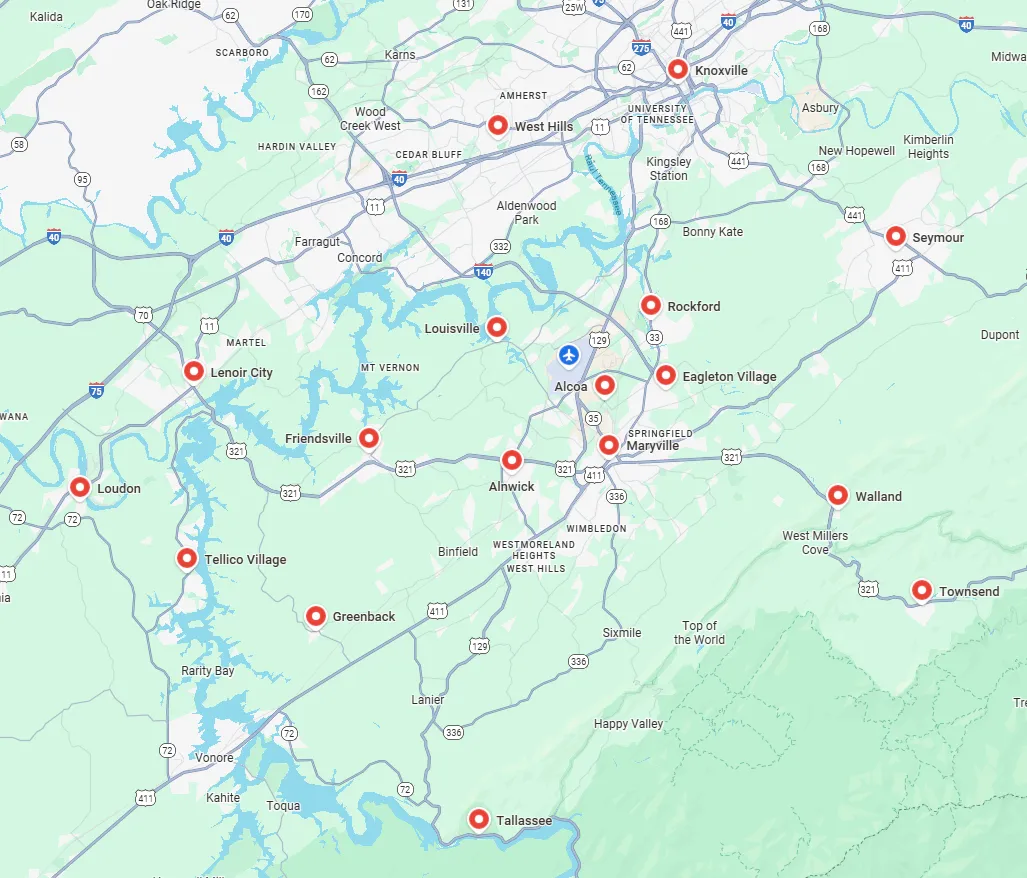
Service areas