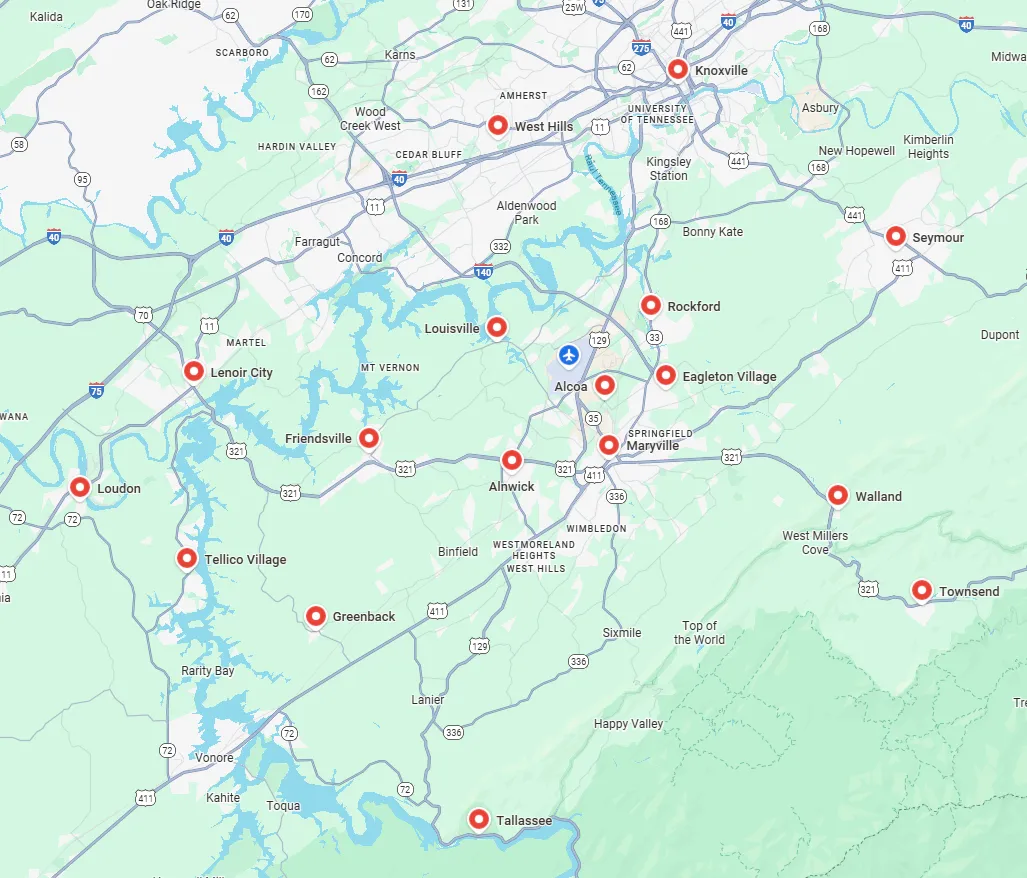


AC Installation in Eagleton Village, TN
When it comes to AC installation in Eagleton Village, TN, the difference between a system that simply cools and one that truly keeps your home comfortable, efficient, and reliable comes down to a thorough assessment, precise sizing, quality installation, and clear homeowner education. That's why Everest Air Heating and Cooling brings a methodical, transparent approach to new air conditioning system installations, specifically tailored to the unique demands of Eagleton Village homes—like humid summers, warm spring pollen loads, and those occasional high-heat stretches that can strain an undersized system. You can count on Everest Air Heating and Cooling for expert service.
.avif)
Why a thorough AC installation matters in Eagleton Village
- East Tennessee summers are humid and often long. An undersized or poorly installed AC will struggle to remove moisture as well as temperature, leaving homes feeling clammy even if thermostats show the set point reached.
- Many local homes have attic and ductwork characteristics that affect airflow and efficiency. Older duct runs, flat ceilings, or limited attic access can change installation requirements.
- Proper sizing, refrigerant charge, and airflow calibration are essential to avoid short cycling, high energy use, and premature component failure.
Everest Air Heating and Cooling focuses on durable, efficient installs that match system type and equipment to home layout, insulation, and lifestyle needs in Eagleton Village, TN.
What we evaluate during the initial home assessment
- Home layout and square footage: Room-by-room dimensions and ceiling heights inform cooling zone needs.
- Insulation levels and attic conditions: Attic insulation, ventilation, and radiant heat gain affect load calculations.
- Window orientation and sun exposure: South- and west-facing windows increase peak cooling loads.
- Existing ductwork condition and layout: Duct size, leakage, insulation, and routing determine whether central air or ductless solutions work best.
- Occupant patterns: Typical occupancy and thermostat preferences help determine zoning and system controls.
- Electrical capacity and outdoor space: Service panel capacity and ideal condenser placement are checked for safety and performance.
Load calculations and unit sizing
- We perform a Manual J load calculation, the industry standard, to determine the correct cooling capacity needed for your Eagleton Village home. This is not based on square footage estimates alone.
- Correct sizing prevents short cycling, humidity issues, and overworking the compressor. A properly sized unit runs longer cycles at lower fan speeds, which improves dehumidification and efficiency.
- Equipment is matched for cooling capacity (BTU or tons), airflow (CFM), and expected seasonal performance (SEER and EER ratings).
Choosing the right system: central air, heat pump, or ductless Mini Split
Central air
- Best for homes with existing ductwork in good condition.
- Offers whole-home temperature control and consistent airflow.
- Options include single-stage, two-stage, and variable-speed compressors that balance comfort and efficiency.
Heat pump
- Provides both cooling and heating for homes that prefer a single system, especially beneficial in milder winter periods.
- Modern heat pumps deliver efficient cooling in the summer and economical heating during many Tennessee winters.
Ductless Mini Split
- Ideal for homes without ductwork, room additions, garages, or spot cooling areas.
- Offers zoning by installing individual indoor heads, saving energy when only parts of the home need conditioning.
- Requires smaller installation footprint and avoids duct leakage losses.
Mini Split vs central system considerations for Eagleton Village homes
- Duct condition: If ducts are leaky, poorly insulated, or inaccessible, a Mini Split avoids costly duct repair and can be more efficient.
- Aesthetics and placement: Mini Splits require wall-mounted or ceiling cassette units that some homeowners prefer to avoid, while central systems maintain unobtrusive vents.
- Cost and scope: Central systems generally cost more upfront when ductwork needs repair, but provide whole-home convenience. Mini Splits can be more cost effective for targeted retrofit needs.
Energy-efficient model selection
- SEER ratings: For Eagleton Village, choosing a unit with a higher SEER rating reduces energy use during long cooling seasons. We evaluate payback based on typical local cooling hours and electric rates.
- Variable-speed compressors: These improve dehumidification and comfort at partial loads common in regionally variable weather.
- Variable-speed air handlers and ECM motors: They reduce fan energy consumption and maintain better airflow control.
- Refrigerants and future-proofing: We recommend equipment that uses modern, more environmentally friendly refrigerants and is supported for serviceability.
Ductwork evaluation and repair options
- Duct leakage, undersized runs, and poor insulation are common culprits of inefficient cooling in older homes. We inspect duct joints, take duct leakage readings when needed, and evaluate return paths.
- Common repairs or upgrades include sealing joints with approved sealants, adding insulation to exposed ducts in unconditioned spaces, and reconfiguring returns for balanced airflow.
- For extensive duct issues, we present options: full duct replacement, targeted repairs, or switching to ductless solutions.
Step-by-step professional installation procedures
- Pre-installation planning
- Finalize system type and equipment selection after load calcs.
- Verify electrical service and breaker sizing.
- Confirm condenser placement that provides adequate airflow, flood protection, and service access while minimizing noise for neighbors.
- Protecting your home
- We use drop cloths, shoe covers, and work practices that respect finished spaces.
- Indoor components are mounted and sealed to avoid drywall damage and air infiltration.
- Refrigerant circuit and line installation
- Properly sized refrigerant lines are run with insulation and secure mounting.
- Evacuation and dehydration of the refrigerant lines ensure moisture-free operation.
- Duct connections and air handler setup
- Transitional fittings and dampers are installed for zoned setups.
- Airflow is set to required CFM per the load calculation, and static pressure is inspected.
- Electrical and control wiring
- Wiring to the outdoor condenser and thermostat is installed per code.
- For smart thermostats or zoning controls, network and power requirements are validated.
- System startup and initial testing
- The unit is charged and set to the manufacturer specifications.
- We measure airflow, supply and return temperatures, refrigerant pressures, and amperage draws.
- Thermostat calibration and control checks ensure accurate setpoint response.
Post-installation testing and verification
- Refrigerant charge verification: Correct refrigerant charge is critical for efficiency and longevity. We use superheat and subcooling measurements to confirm.
- Airflow and static pressure testing: Ensures ductwork and blower are matched to the system design for proper distribution and dehumidification.
- Temperature split testing: A properly operating system will produce a consistent supply-to-return temperature difference appropriate for the design.
- Safety and condensate testing: Condensate drains and safety switches are checked for flow and proper operation to avoid water damage.
- Noise and vibration checks: Equipment is inspected to ensure mounts and lines are secured and operating quietly.
Warranty, documentation, and financing options
- Manufacturer warranties: New equipment comes with manufacturer parts and compressor warranties. We provide explanation of standard coverage and what is required to maintain warranty validity.
- Workmanship coverage: Everest Air Heating and Cooling documents the installation and provides information about any service guarantees on our work.
- Registration and paperwork: We assist in registering equipment with the manufacturer, documenting serial numbers, and explaining how service records affect warranty claims.
- Financing options: For many homeowners, financing helps spread the investment. We discuss typical financing structures and documentation required for approval without applying pressure.
Commissioning and homeowner education
- System walkthrough: After testing, homeowners receive a thorough walkthrough of how the system operates, thermostat settings, and expected performance.
- Thermostat programming: We explain energy-saving schedules, setback strategies, and how to use advanced features like geofencing and remote control if installed.
- Filter maintenance and air quality basics: Proper filter selection and replacement intervals are reviewed. We cover basic indoor air quality choices such as MERV ratings, whole-home filtration, and UV options.
- Condensate and drain awareness: We show the condensate drain path, explain signs of clogging, and how to respond if water alarm triggers.
- Troubleshooting guide: Simple steps homeowners can take for common issues (power resets, filter checks) before calling for service are provided to prevent unnecessary service calls.
Common issues homeowners face after installation and how we prevent them
- Poor humidity control: Addressed by proper sizing, variable-speed equipment, and correct airflow. Oversized systems are a frequent cause and are avoided through Manual J calculations.
- Short cycling and inconsistent temperature: Correct system sizing and proper refrigerant charge eliminate these issues.
- High energy bills: Choosing efficient models, sealing ducts, and programming thermostats effectively are long term energy control strategies.
- Noisy systems: Proper mounting, vibration isolation, and careful condenser placement limit noise transfer to living spaces and neighbors.
Why proper maintenance matters in Eagleton Village
- Seasonal extremes and pollen cycles increase system stress and clog filters faster. Regular maintenance protects efficiency and longevity.
- Everest Air Heating and Cooling offers the Y.E.T.I Comfort Plan, which includes spring and fall checkups, priority scheduling, and preventive maintenance that helps keep systems running at peak efficiency during peak usage months.
- Regular service preserves warranty coverage and helps avoid emergency replacement during the hottest times of year.
Energy efficiency and cost considerations for Eagleton Village residents
- Upgrading to a high-efficiency system typically reduces monthly cooling costs, particularly important during the high-use summer months in East Tennessee.
- Long-term savings depend on factors such as current system efficiency, local electricity rates, insulation levels, and occupant behavior. We provide realistic efficiency projections based on local conditions.
- Incentives and rebates: Certain high-efficiency systems may qualify for manufacturer or utility incentives. We help explain what to look for and which documents are required for claims.
Design and comfort features to consider
- Zoning systems for multi-level homes: Zoning helps eliminate hot and cold spots in split-level or multi-story homes by using dampers and multiple thermostats.
- Two-stage and variable-speed compressors: Offer improved comfort and efficiency under changing outdoor conditions.
- Smart thermostats and integration: Allow remote control, learning algorithms, and utility demand response compatibility for optimal energy use.
- Enhanced filtration and UV systems: Improve indoor air quality for allergy or asthma sufferers common during local pollen seasons.
What to expect during the first cooling season
- Initial run-in: New systems may operate slightly differently as refrigerant settles and mechanical components condition. Performance stabilizes after a short break-in period.
- Monitoring: We document baseline performance metrics during installation so future maintenance can use those values to detect shifts in efficiency or operation.
- Follow-up service: A post-installation check confirms stable operation and addresses any homeowner questions after living with the new system for a few weeks.
Typical timeline and disruption considerations
- Installations vary by system type and home condition. Central system installs typically take one to two days when ductwork is in good condition. Mini Splits often require less time.
- We plan installations with consideration for homeowner schedules and protect living areas during work.
- Permits and inspections: When required, local building permits and inspections are coordinated as part of the installation process.
Choosing the right installer in Eagleton Village, TN
- Look for transparent processes that include load calculations, documented testing, clear warranty explanation, and homeowner education.
- Proper licensing and insurance, experience with local building characteristics, and a history of professional installations are key distinguishing factors.
- Everest Air Heating and Cooling brings local knowledge of East Tennessee weather patterns, building stock, and common ducting issues, ensuring equipment is matched to real-world conditions in Eagleton Village homes.
Long-term benefits of a professional installation
- Improved comfort and humidity control during hot and humid months.
- Greater system reliability and longer equipment life from correct sizing and proper refrigerant charging.
- Lower operating costs with modern, efficient equipment and well-sealed ductwork.
- Fewer emergency repairs and better long-term home value due to documented, quality installations.
Selecting and understanding your new AC
- Focus on the long-term total cost of ownership, not just the upfront price. Efficiency, warranty, and installation quality drive lifetime value.
- Ensure all promised documentation and testing results are provided at the end of the installation.
- Ongoing maintenance is essential; the right preventive plan protects efficiency and maintains warranty validity.
FAQs
Q: How do you determine the correct size AC for my Eagleton Village home?
A: We perform a Manual J load calculation that considers square footage, ceiling heights, insulation, window orientation, occupancy, and local climate factors to recommend the correct cooling capacity.
Q: Should I choose a central air system or a ductless Mini Split?
A: If your home has well-sealed ductwork, central air is typically the best choice for whole-home comfort. If ductwork is leaky, inaccessible, or you need targeted cooling for an addition or specific rooms, ductless Mini Splits are an efficient alternative.
Q: How long does a typical installation take?
A: Most central air installations take one to two days when ductwork is in good condition. Ductless Mini Split installs often take less time, but schedules vary with home specifics and permit requirements.
Q: What SEER rating should I consider for Eagleton Village?
A: Higher SEER ratings improve efficiency during long cooling seasons in East Tennessee. We recommend balancing expected energy savings with upfront cost; our assessments estimate payback based on local energy use patterns.
Q: Will an oversized unit cause problems?
A: Yes. Oversized units short cycle, reduce dehumidification, and increase wear and tear. Correct sizing via load calculation prevents these issues.
Q: What post-installation tests do you perform?
A: We verify refrigerant charge, measure airflow and static pressure, check temperature splits, test condensate drainage, and confirm electrical loads and thermostat calibration.
Q: How do I maintain my new AC system?
A: Regular filter changes, annual spring and fall checkups, keeping outdoor unit clear of debris, and following manufacturer maintenance schedules are key. The Y.E.T.I Comfort Plan provides routine maintenance and priority service.
Q: Are financing and warranty options available?
A: We discuss manufacturer warranties, workmanship coverage, and typical financing structures during planning. Paperwork and warranty registration are completed as part of the installation.
Q: What causes poor humidity control?
A: Common causes include oversized equipment, improper airflow, or incorrect refrigerant charge. Proper sizing and equipment selection, plus variable-speed components, improve humidity management.
Q: How do I know if my ducts need repair before installing new equipment?
A: Signs include uneven airflow, high energy bills, and visible duct damage. We inspect ductwork and perform measurements to determine if sealing or replacement is required.
Q: Can I add zoning to my existing ducted system?
A: Often yes. Zoning uses dampers and multiple thermostats to control airflow per zone. We evaluate your duct layout and system capacity to determine compatibility.
Q: What indoor air quality upgrades work well with a new AC?
A: Options include higher-efficiency filters, whole-home filtration systems, UV lights for microbial control, and humidification or dehumidification components as needed for seasonal comfort.
Q: How soon will I see energy savings after installation?
A: Savings depend on the previous system efficiency, local energy rates, and homeowner thermostat settings. Many homeowners see measurable reductions within the first billing cycle when switching from an older, inefficient unit.
Q: Does the installation include permit handling?
A: When permits are required, we coordinate the permit process and inspections as part of the installation plan and documentation.
Q: What is the Y.E.T.I Comfort Plan?
A: The Y.E.T.I Comfort Plan is Everest Air Heating and Cooling preventive maintenance program that includes seasonal checkups, priority scheduling, and benefits designed to keep HVAC systems operating efficiently and reliably.
hear what our satisfied clients have to say

David P.
Service areas