

Furnace Tune-Up in Loudon, TN
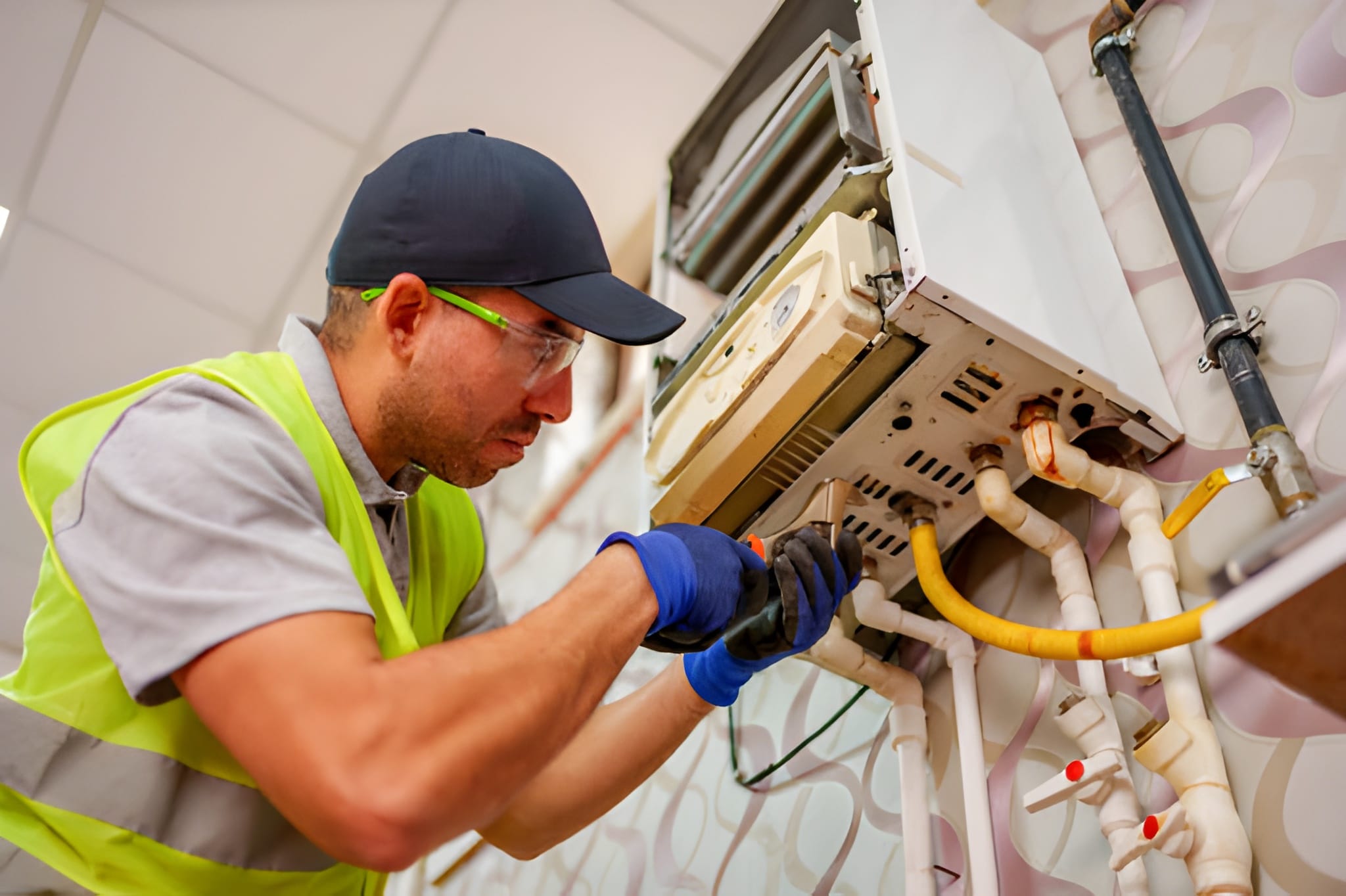
Think of a seasonal furnace Tune-Up as far more than just a quick look-over. Especially for homes in Loudon, TN, where those sudden cold snaps can hit right after humid, pollen-filled seasons, a detailed Tune-Up is key to keeping your family comfortable, safe, and efficient all winter. At Everest Air Heating and Cooling, we provide systematic furnace Tune-Ups that are designed to spot those little issues before they turn into major headaches, help your equipment last longer, and keep those heating bills from soaring. We're all about making sure you get the most out of your heating system.
Why a Furnace Tune-Up Matters in Loudon, TN
Loudon sits in East Tennessee with humid summers, wet springs, and cold, sometimes damp winters. These conditions create a few local challenges for residential heating systems:
- Higher indoor humidity in fall and spring accelerates rust and corrosion on metal components.
- Spring pollen and summer dust build up in filters and burners, reducing airflow and combustion quality by the start of the heating season.
- Temperature swings between day and night increase cycling stress on older furnaces, which can lead to early component wear.
- Older homes in the area often have ductwork and insulation issues that make efficient heat distribution more difficult.
A professional Tune-Up addresses these region-specific stresses and prepares your system to run reliably through the first cold snap. Tune-Ups also identify safety hazards like cracked heat exchangers or carbon monoxide leaks that can be life-threatening if overlooked.
What a Furnace Tune-Up Includes
Every full furnace Tune-Up performed by Everest Air Heating and Cooling follows a comprehensive checklist to ensure safety, performance, and efficiency. The typical Tune-Up visit includes the following steps:
- Initial system history and visual inspection
- Review age and service history of the furnace
- Note any recent performance issues or noises reported by the homeowner
- Safety and carbon monoxide (CO) checks
- Inspect flue and venting for blockages, corrosion, and proper pitch
- Test for CO levels at the furnace and advise on detector placement if needed
- Burner and combustion inspection
- Remove and inspect burners for soot, corrosion, or incomplete combustion
- Clean burners to ensure an even flame pattern and proper fuel delivery
- Check ignition system (pilot light or electronic ignition) for reliability
- Heat exchanger inspection
- Visual inspection for cracks, corrosion, or stress signs
- Perform leak tests where indicated to assess sealing and combustion safety
- Cleaning and debris removal
- Clean burners, combustion chamber, and access panels
- Clear dust and debris from blower, motor housing, and nearby areas
- Blower and motor service
- Inspect blower wheel for dirt buildup that reduces airflow
- Lubricate moving parts and bearings where applicable
- Check motor amperage and electrical connections for wear and hot spots
- Filter and airflow assessment
- Inspect filter type and condition; advise on replacement frequency and MERV ratings
- Measure static pressure and evaluate airflow through the system
- Inspect return registers and supply vents for obstructions or imbalance
- Inspect filter type and condition; advise on replacement frequency and MERV ratings
- Thermostat calibration and controls check
- Verify thermostat accuracy and operation
- Check temperature differential and zone control settings
- Electrical and safety controls test
- Inspect wiring, terminals, relays, and control boards for damage or corrosion
- Test safety limits, flame rollout switches, and pressure switches
- Performance testing and efficiency assessment
- Measure temperature rise across the heat exchanger
- Test gas pressure and combustion efficiency where safe and applicable
- Monitor system cycling and runtime behavior
- Recommendations and documentation
- Provide a written summary of findings, prioritized recommendations, and expected next steps
- Estimate remaining equipment life factors and possible efficiency improvements
Common Furnace Problems Found During Tune-Ups in Loudon
During Tune-Ups in Loudon, technicians commonly encounter a subset of recurring issues driven by local climate and housing stock. Recognizing these helps homeowners understand why regular maintenance pays off.
- Dirty burners and clogged filters
- Pollen and summer dust lead to buildup, causing weak flames, soot, or flame rollout.
- Restricted airflow
- Dirty blower wheels, undersized filters, or closed vents reduce heat distribution and cause short cycling.
- Corroded or cracked heat exchangers
- Age and moisture accelerate corrosion; cracks allow combustion gases to mix with indoor air and create CO risks.
- Malfunctioning ignition systems
- Intermittent ignition or delayed start increases gas usage and stress on controls.
- Worn belts or bearings
- Older systems with mechanical belts can develop squeals and inefficiency from wear.
- Faulty thermostats or sensors
- Miscalibration causes temperature swings and unnecessary run time.
- Deteriorating venting and flue connections
- Moisture and corrosion can lead to leaks or reduced draft, impairing safe combustion exhaust.
How Technicians Diagnose Problems
A methodical approach separates a good Tune-Up from a superficial check. Everest Air’s technicians use a combination of observation, measurement, and testing:
- Visual inspections detect corrosion, leaks, soot, and wear.
- Combustion analysis (when applicable) measures flame quality and efficiency numbers.
- Electrical testing verifies amperage, voltage, and continuity of critical components.
- Airflow and static pressure measurements reveal ductwork restrictions and blower performance deficiencies.
- Temperature rise testing across the heat exchanger confirms the furnace is operating within manufacturer specifications.
This data-driven process allows technicians to prioritize repairs and recommend targeted improvements rather than guesswork.
Typical Repairs and Solutions Identified During a Tune-Up
Some issues can be resolved during the Tune-Up visit; others require a follow-up repair. Common on-the-spot fixes include:
- Replacing disposable filters and vacuuming debris from the blower and cabinet
- Re-lubricating motors and bearings to stop squeaks and improve efficiency
- Tightening electrical connections and replacing worn terminals or fuses
- Adjusting thermostat settings or replacing batteries and loose connectors
- Cleaning burners and adjusting gas orifices for proper flame characteristics
More involved repairs that may be recommended include:
- Replacing a cracked heat exchanger or performing a controlled repair if safety allows
- Replacing a failing blower motor or fan assembly
- Repairing or replacing defective ignition controls or gas valves
- Sealing or insulating ductwork to improve system distribution in older Loudon homes
Safety and Carbon Monoxide Considerations
Carbon monoxide is colorless and odorless, and a compromised furnace is one of the primary sources in a home. During every Tune-Up, Everest Air includes a dedicated CO and safety check:
- Inspect venting and flue paths for blockages or leaks
- Test for CO at the furnace and recommend detector placement in living areas
- Ensure combustion is complete and that the heat exchanger is intact or report a failure if present
If a dangerous condition is identified, the technician documents findings and explains necessary safety repairs. Safety checks are a central reason for scheduling professional Tune-Ups before the heating season.
Thermostat Calibration and Modern Controls
Thermostat performance directly affects comfort and efficiency. During a Tune-Up, technicians:
- Confirm the thermostat reads temperature accurately and responds correctly to setpoints
- Check for proper wiring to the furnace and zone controls
- Recommend upgrades only when they provide clear efficiency or comfort gains, such as programmable thermostats or smart controls that reduce runtime when you are away
In Loudon homes, where daily temperature swings happen, a well-calibrated thermostat prevents unnecessary run cycles and improves comfort consistency.
Filter and Airflow Best Practices for Loudon Homes
Air quality and airflow control are especially important in East Tennessee. Practical filter and airflow guidance from a Tune-Up visit typically includes:
- Replace disposable filters every 1 to 3 months depending on filter rating and household conditions
- Consider higher-efficiency filters if indoor air quality is a concern, but verify your furnace blower can handle the added resistance
- Keep return vents clear and open to ensure balanced air distribution
- Inspect and clean dryer vents and combustion air intakes that could affect furnace performance
- Duct sealing and insulation can significantly reduce energy losses in older Loudon homes
Seasonal Timing and Frequency
For most residential systems, a fall furnace Tune-Up once a year is recommended to prepare for the heating season. Some households benefit from two seasonal checkups (fall and spring) if they:
- Use their system heavily year-round with heat pumps or hybrid configurations
- Have older equipment with intermittent issues
- Live in homes with pets, heavy pollen loads, or indoor renovations that create more dust
Regular maintenance not only helps avoid midwinter breakdowns but also preserves manufacturer warranties that require documented annual maintenance.
What to Expect During an Everest Air Furnace Tune-Up Visit
A professional Tune-Up from Everest Air Heating and Cooling is thorough and transparent. Typical expectations for homeowners include:
- A technician who arrives prepared with diagnostic tools and appropriate safety equipment
- A walk-through of the system and a brief review of any previous service history
- A structured inspection and testing process taking from 45 minutes to 90 minutes depending on system complexity and findings
- Clear documentation of issues discovered, actions taken, and prioritized recommendations for further repairs or upgrades
- Straightforward explanations of any safety concerns and the implications of delaying recommended work
Technicians work to minimize disruption and keep work areas clean and safe throughout the visit.
Long-Term Benefits of Regular Furnace Tune-Ups
Investing in regular furnace Tune-Ups produces measurable long-term advantages:
- Improved energy efficiency and lower heating costs through optimized combustion and airflow
- Enhanced reliability and fewer emergency repair calls during cold weather
- Extended equipment life by reducing wear and tear on critical components
- Reduced safety risks, including lower chances of carbon monoxide exposure
- Better indoor comfort through accurate temperature control and more even heat distribution
- Documentation of maintenance that can preserve warranty coverage or improve home resale conditions
These benefits are especially meaningful in Loudon where seasonal humidity and pollen cycles increase the need for proactive maintenance.
Simple Maintenance You Can Do Between Tune-Ups
Homeowners can take several low-effort steps to keep their furnace running smoothly between professional visits:
- Replace or clean filters regularly (monthly in high-use seasons or with pets)
- Keep the furnace area clear of storage and debris that can restrict airflow
- Ensure thermostat batteries are changed annually and that the thermostat location is not affected by drafts or sunlight
- Inspect visible venting and flue pipes for signs of corrosion or loose connections
- Listen for unusual noises during startup which may indicate motor or belt wear
These actions support the work done during professional Tune-Ups and can prevent small issues from escalating.
How Everest Air Heating and Cooling Approaches Furnace Maintenance
Everest Air Heating and Cooling combines local knowledge of Loudon homes with industry best practices. The company focuses on:
- Thorough diagnostics, not guesswork, to identify root causes
- Transparency in reporting findings and prioritizing repairs
- Safety-first checks that include CO testing and flue inspections
- Practical, cost-aware recommendations that emphasize long-term value
- Options for ongoing maintenance plans to help homeowners stay on schedule with seasonal attention
Everest Air technicians are trained to explain issues in plain language so homeowners can make informed decisions about repairs and upgrades.
Recommendations to Optimize Seasonal Efficiency
After a professional Tune-Up, homeowners often receive specific recommendations to optimize system efficiency. Typical recommendations may include:
- Schedule annual professional Tune-Ups every fall to ensure safe and efficient winter performance
- Replace filters with the correct MERV rating for your system and household needs
- Consider duct sealing or insulation improvements for older homes to reduce heat loss
- Upgrade to a programmable or smart thermostat to reduce runtime during away periods
- Address small repairs promptly (loose electrical terminals, minor leaks) to prevent bigger failures
These targeted measures, selected based on findings from the Tune-Up, deliver the best return on investment over the life of the furnace.
FAQs
Q: How often should I schedule a furnace Tune-Up?
A: For most residential furnaces, schedule a professional Tune-Up once a year in the fall. Homes with older equipment, heavy usage, or indoor air quality concerns may benefit from two annual checkups.
Q: What happens if a crack is found in the heat exchanger?
A: A cracked heat exchanger is a serious safety concern because it can allow combustion gases and carbon monoxide into the home. If a crack is detected, technicians will document findings and recommend immediate repair or replacement based on severity and safety standards.
Q: Will a Tune-Up improve my heating bills?
A: Yes. A thorough Tune-Up restores efficient combustion and proper airflow, which typically reduces runtime and can lower heating costs. The exact savings depend on system age, prior maintenance, and local fuel prices.
Q: Can I do my own furnace Tune-Up?
A: Homeowners can perform basic tasks like changing filters and keeping the area clear, but professional Tune-Ups require combustion analysis, electrical testing, and safety inspections that need trained technicians and specialized tools.
Q: How long does a professional furnace Tune-Up take?
A: Most Tune-Ups take between 45 minutes and 90 minutes, depending on system complexity and whether repairs are performed during the visit.
Q: Are carbon monoxide checks included in a Tune-Up?
A: Yes. A complete Tune-Up includes flue and vent inspections and carbon monoxide testing to ensure safe operation and identify potential hazards.
Q: Will maintenance affect my furnace warranty?
A: Regular documented maintenance often helps preserve manufacturer warranties. Be sure to keep records of professional service to demonstrate compliance with warranty requirements.
Q: Should I upgrade my thermostat during a Tune-Up?
A: Technicians will check thermostat performance and may recommend an upgrade only if it will improve comfort or efficiency. Smart thermostats can provide energy savings, especially in homes with varying schedules or temperature preferences.
hear what our satisfied clients have to say

David P.
Service areas