


Water Heater Installation 101 : Choosing the right system
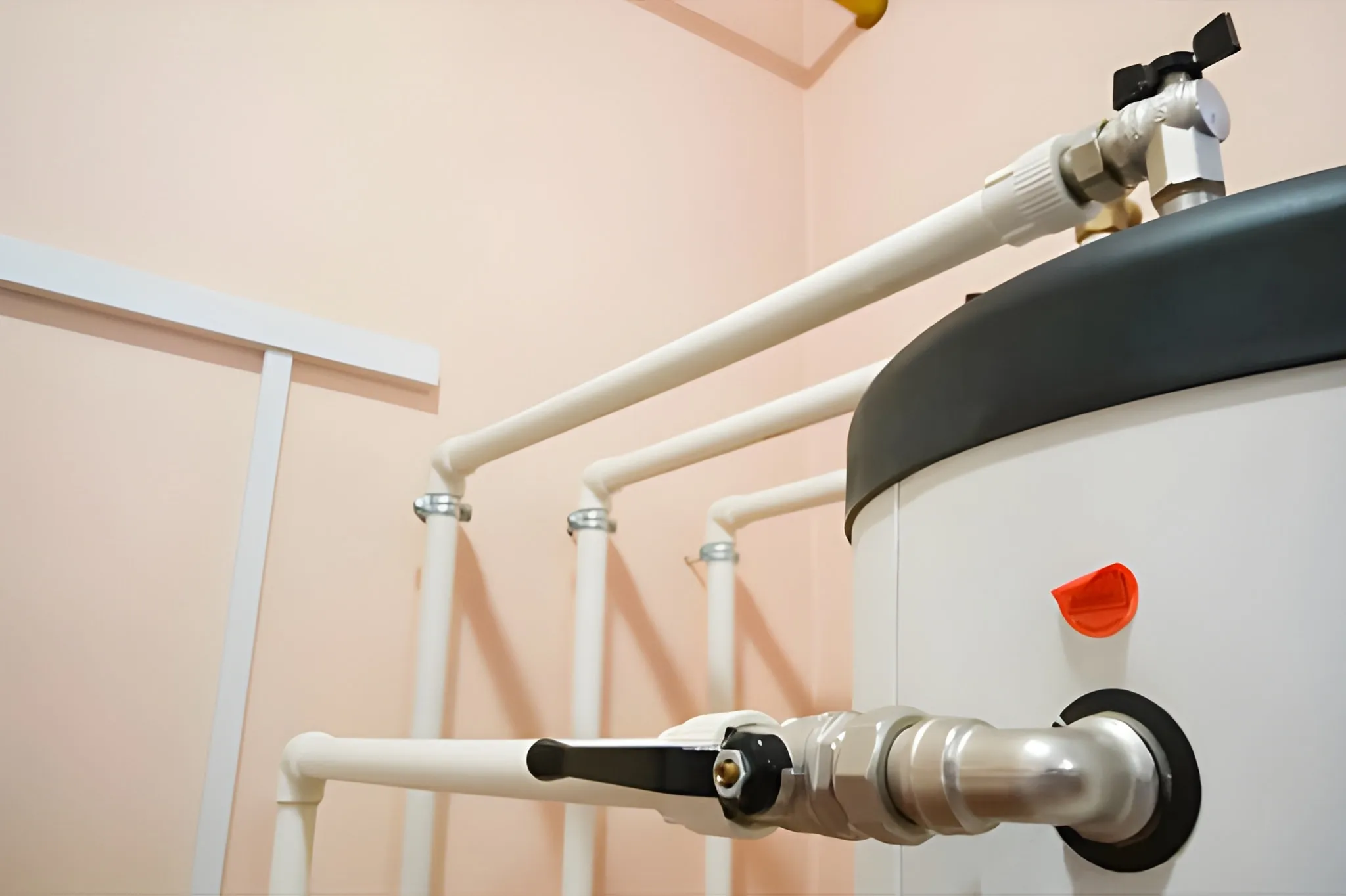
Water Heater Installation 101: Choosing the Right System
Facing a water heater replacement or installing one in a new home? The decision can feel overwhelming. But choosing the right system is more than just picking a size; it's about finding the perfect match for your home's needs, your energy goals, and your budget. This guide will walk you through the essential steps to ensure you make an informed and confident choice.
Step 1: Fuel Source - What Powers Your Heater?
The type of fuel your water heater uses is the first and most fundamental decision, as it impacts cost, efficiency, and availability.
- Natural Gas: Heats water quickly and is often less expensive to operate than electricity, but requires a gas line and proper venting.
- Electric: Widely available and easier to install where gas is not an option. Can have higher operational costs but is often more efficient.
- Propane: A common alternative in rural areas without natural gas service. Requires a storage tank.
- Solar: Utilizes free energy from the sun, significantly reducing utility bills. Higher upfront cost and often requires a backup system for cloudy days.
Step 2: Know Your Types - Tank vs. Tankless
This is the classic choice between storage and on-demand hot water.
Conventional Storage Tank Water Heaters
This is the most common type, featuring an insulated tank that stores and continuously heats a ready reservoir of water.
- Pros: Lower purchase price, simpler installation, familiar technology.
- Cons: "Standby" heat loss (energy wasted keeping the tank hot), limited hot water supply, shorter lifespan.
Tankless (On-Demand) Water Heaters
These units heat water directly as it flows through the device, providing hot water only when you need it.
- Pros: Unlimited hot water (for your household's flow rate), higher energy efficiency (no standby loss), longer lifespan, compact size.
- Cons: Higher initial cost, limited simultaneous use (e.g., showers and laundry), may require an upgrade to your gas line or electrical service.
Step 3: Size Matters - Matching Capacity to Your Household
A unit that's too small leads to cold showers; one that's too large wastes energy and money.
For Storage Tank Heaters:
Size is measured by the tank's gallon capacity. A general rule of thumb:
- 1-2 people: 30-40 gallons
- 2-3 people: 40-50 gallons
- 3-4 people: 50-55 gallons
- 5+ people: 55-80 gallons
For Tankless Heaters:
Size is determined by the flow rate (Gallons Per Minute - GPM) and the required temperature rise. You must calculate the total GPM of fixtures that could be used simultaneously (e.g., two showers running at once). A professional can help with this critical calculation.
Step 4: Evaluate Efficiency - Understanding the Energy Factor
The Energy Factor (EF) measures a water heater's overall efficiency. The higher the EF, the more efficient the unit is, which translates to lower utility bills. Tankless heaters and heat pump models typically have the highest EF ratings.
Step 5: Consider the Alternatives
Beyond the standard models, two high-efficiency options are worth considering:
- Heat Pump Water Heaters (HPWH): These are highly efficient electric units that move heat from the surrounding air into the water. They work best in warm climates (space temperatures of 40°F-90°F) and can cut electricity use by half compared to a standard electric model.
- Condensing Water Heaters: An excellent high-efficiency option for homes with natural gas. They capture and use exhaust gases that would normally go out the vent, making them incredibly efficient, especially for larger households.
Your Checklist for Success
Choosing the right water heater is a multi-factor equation. Before you make a final decision, ask yourself:
- Fuel Type: What is available and most cost-effective in my area?
- System Type: Do I prefer the lower cost of a tank or the endless hot water and efficiency of a tankless system?
- Size: Does the capacity meet my household's peak demand?
- Efficiency: What is the Energy Factor, and how will it impact my long-term operating costs?
- Budget: What is my total budget, including the unit, installation, and long-term energy use?
Professional Installation is Key. A proper installation is critical for safety, efficiency, and ensuring your warranty remains valid. Consulting with a licensed plumbing professional is the best way to navigate these choices and ensure your new water heater is a perfect fit for your home.
hear what our satisfied clients have to say

David P.
Service areas